Francisca
Marketing · Vivencias Travel
Both work, but not for the same thing. Air connections, meeting-room capacity, seasonality, altitude and distances: the concrete comparison before you pick the destination.
It is the first question we get, and the honest answer is that it depends on three things: the size of the group, the time of year, and how much of the event is meeting and how much is experience.
We operate in both destinations, so this is not a brochure comparison. These are the differences that actually change the decision.
Air connections
Santiago has the best-connected airport in the region, with direct flights from almost every South American capital and several a day from Brazil. For a group arriving from different cities, that means everyone can land on the same day without long connections.
Bariloche has its own airport but fewer frequencies. Many people arrive via Buenos Aires, which adds a connection. With a large group, one connection means part of the group arrives on a different flight and you have to decide whether to wait or run two transfers.
- Group arriving from several countries: Santiago, almost always.
- Group all departing from the same city: they even out, and other factors decide.
Hotel and meeting-room capacity
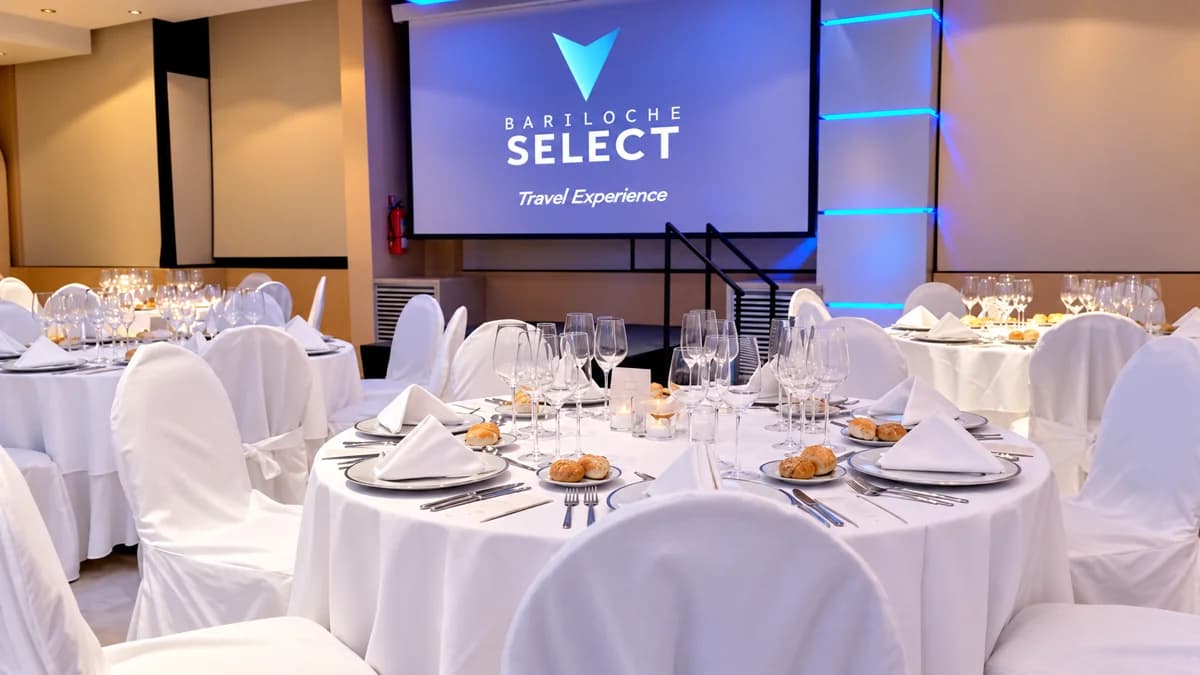
Santiago has city hotels with large function rooms, the kind that host a 150-person convention without strain, with the hotel's own equipment and technical support.
Bariloche has hotels with lake views and good-sized rooms, but the supply of very large rooms is tighter and books up earlier. For a mid-sized group it is ideal; for a very large one you need more lead time.
What you can do in each
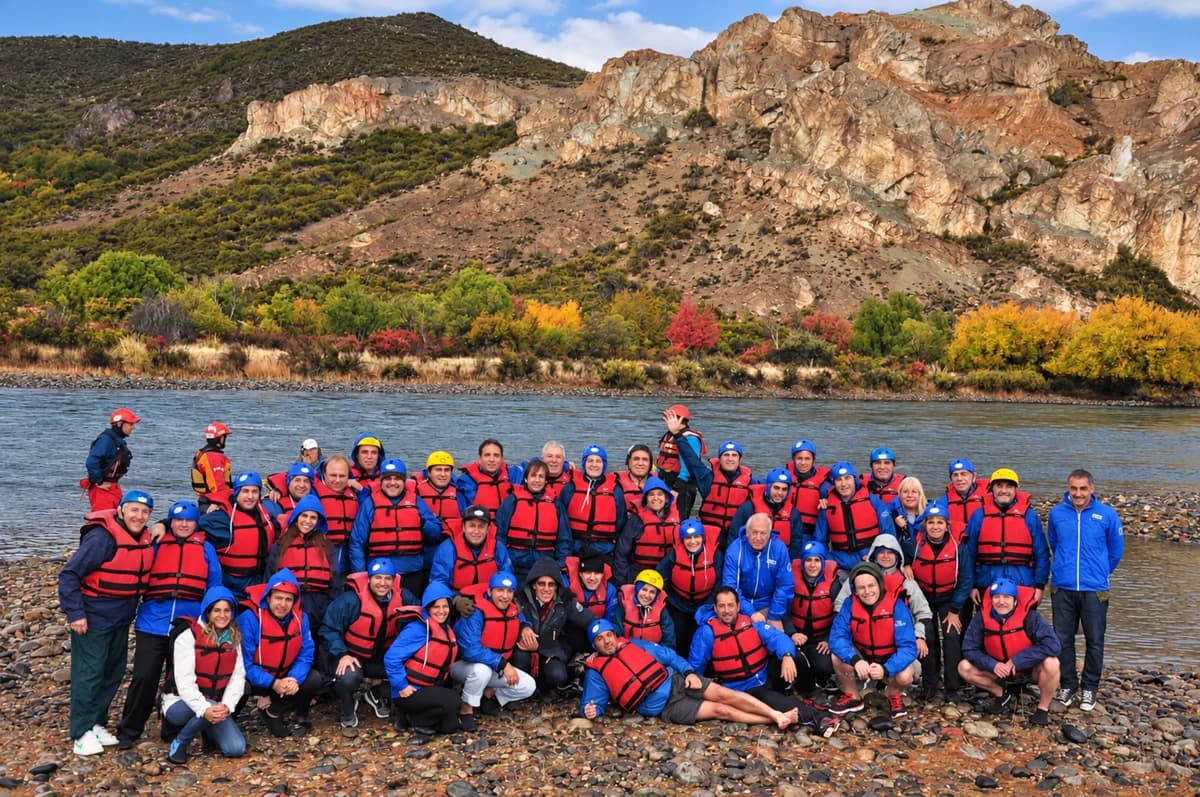
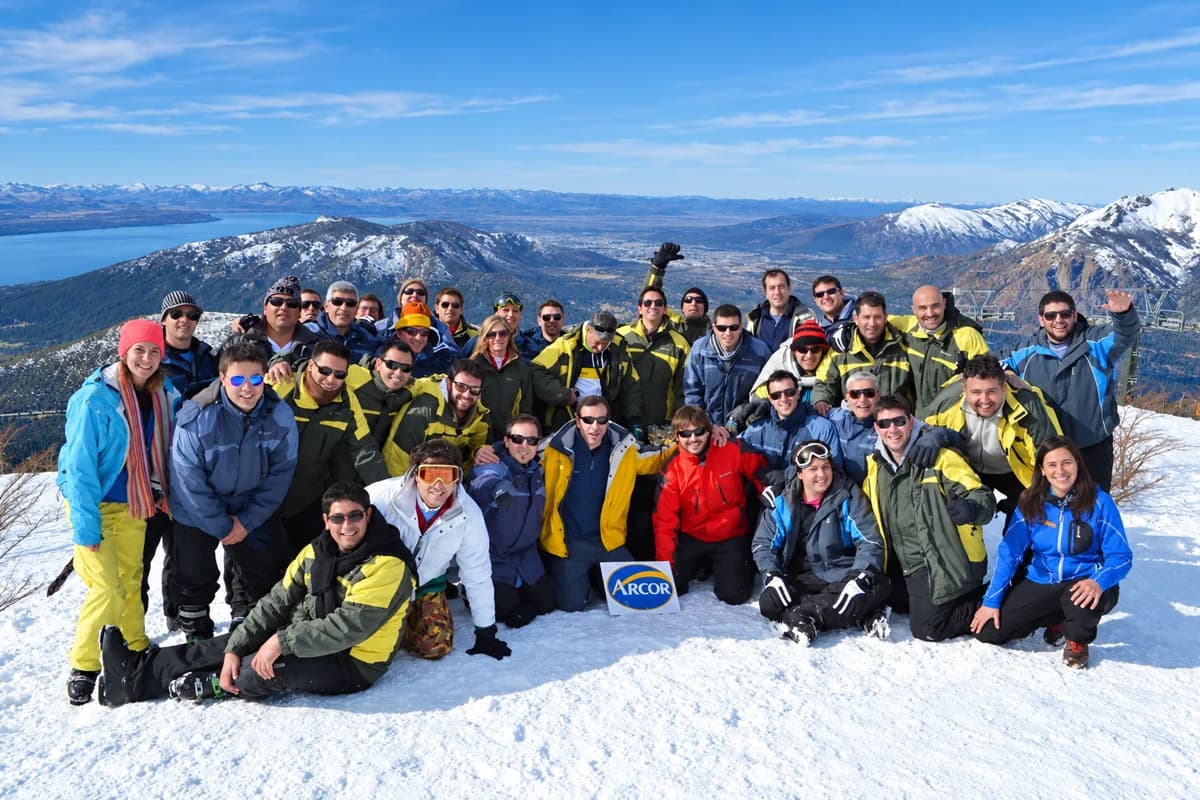
Santiago is an urban base with everything one or two hours away: the Andean ski resorts in winter (Valle Nevado, Farellones or El Colorado and Portillo), the Cajón del Maipo with rafting and hot springs, the wineries under an hour out, and the coast. Everything leaves from and returns to the city the same day.
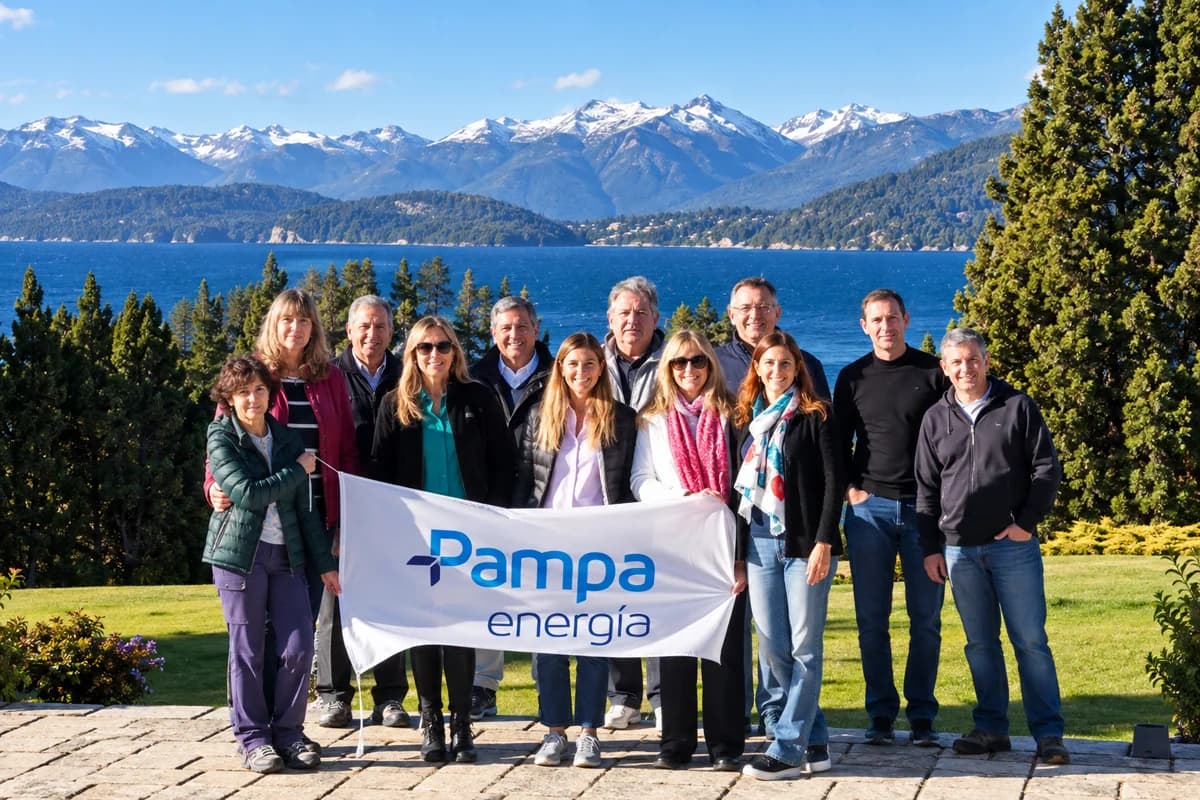
Bariloche is the opposite: the destination is the landscape, not a city with excursions. Cerro Catedral in winter, the Circuito Chico, the boat trip to Isla Victoria, rafting on the Manso and the Seven Lakes Route. A group in Bariloche feels like it went travelling; a group in Santiago feels like it is in another city and goes out to do things.
That is not a point in favour of either: it is precisely the decision. An event that has to mix meeting and experience works better in Santiago. An event whose purpose is to disconnect and bring the group together works better in Bariloche.
Seasonality, which decides more than it seems
- June to September: snow season in both. Both work very well, both are expensive and tighter on availability. To choose on data, when the most snow falls in Chile and when the most snow falls in Bariloche compare month by month.
- December to March: Bariloche in summer is excellent and less obvious, with lakes, hiking and long days (Bariloche in summer). Santiago in summer is hot in the city but has the coast and the mountains close by (Santiago in summer).
- April, May, October and November: the best balance of price and availability in both. Fewer people, more affordable hotels, and in October there is still snow at altitude. It is the most underrated window for a company event.
Altitude: the detail that ruins a first day
Valle Nevado sits above 3,000 metres, and the road climbs fast out of Santiago. Some people feel it, especially if they flew in the same day. Cerro Catedral, in Bariloche, is at a much lower altitude and this is simply not an issue.
If the programme in Chile includes the mountains, do not make the highest day the first day, and tell the group to go up slowly and drink water.
Documents and currency
Both countries are straightforward to enter for Brazilians and for most of the region, but check early: the requirements for Chile and for Argentina differ in the details.
For a company there is one practical difference: depending on which country the event runs in, the invoice comes from that country's entity and in its currency. That is worth settling before the budget is approved, not after.
The honest summary
- Large group, lots of meeting time, people arriving from several countries: Santiago.
- Mid-sized group, integration as the goal, a trip that feels like a trip: Bariloche.
- Winter with snow as the centre of the programme: both work; the group's air connections decide.
- Tight budget: April, May, October or November, in either.
If the destination is already set, the company convention checklist covers rooms, catering and logistics, and how to organise an incentive trip orders the decisions when the event is a reward. For the activities, what each one is good for.
Frequently asked questions
Bariloche or Santiago for a large company convention?
Santiago, generally. It has the best-connected airport in the region, so a group arriving from several cities can land on the same day, and a larger supply of city hotels with function rooms for over a hundred people. Bariloche works very well for mid-sized groups, but very large rooms are scarcer and book up earlier.
When is the best time for a company event in Chile or Argentina?
April, May, October and November offer the best balance of price, availability and weather, with fewer people in both destinations. June to September is snow season: excellent if snow is the centre of the programme, but with high prices and availability that runs out early.
Is altitude a problem at the ski resorts near Santiago?
It can be. Valle Nevado sits above 3,000 metres and the road climbs quickly out of the city, so some people feel the altitude, especially if they flew in the same day. Avoid scheduling the highest day as day one, and tell the group to go up slowly. In Bariloche altitude is not an issue.
Which country invoices an event that runs across both?
The invoice comes from the entity in the country where the service is delivered, in that country's currency. If the programme crosses from Chile into Argentina, settle this before the budget is approved, because it affects the contract currency and the payment terms.