
Francisca
Marketing · Vivencias Travel
Seven natural pools between 30 and 55 degrees at 2,500 metres, a turquoise reservoir that does not look real, and a dirt road that gets your attention. What to expect and what to pack.
Cajón del Maipo begins an hour from Santiago, which means you can leave your hotel at eight and be in the Andes before ten. It is the excursion that most surprises visitors who arrive thinking Santiago is only a city.
Embalse El Yeso
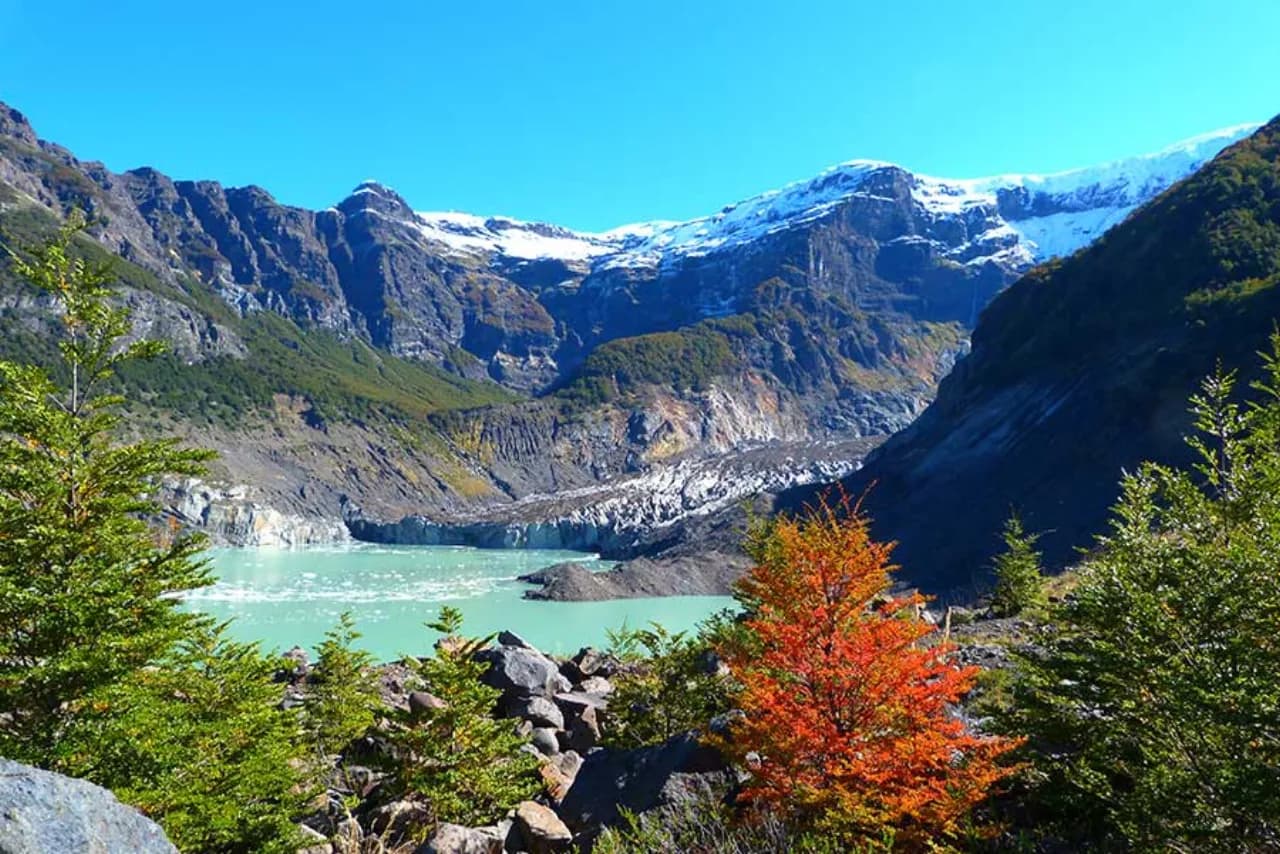
A reservoir at 2,500 metres, ringed by bare mountain, holding water of a turquoise that looks retouched. It is not: the colour comes from glacial sediment held in suspension. It supplies a good share of Santiago's drinking water.
The road up is dirt, narrow, and has a drop on one side in places. It is entirely driveable, but anyone uneasy with heights should take the seat on the mountain side.
On a windless day the peaks reflect whole in the water. With wind, they do not. That is what separates the good photograph from the ordinary one, and there is no way to predict it the night before.
Termas de Colina
Seven natural pools cut into the hillside, stacked one above the other, with temperatures from 30 to 55 degrees. The upper ones are the hottest. The water is volcanic, carrying minerals that leave a faint sulphur smell and your skin feeling different afterwards.
Do not expect a spa. These are earth-and-stone pools in the open air with basic changing rooms. That is exactly the point: you are in a hot bath under open sky with the Andes around you.
Free time at the springs is usually one hour to an hour and a half, enough for two or three pools without rushing.
How long it takes and what is included
Between 8 and 12 hours depending on the itinerary, with 10 being most common. Along the way most departures stop at the Tinoco tunnel and the El Yeso waterfall. Many include a picnic with cold cuts and nuts.
What to bring, without fail
- Towel and swimwear, which almost nobody remembers and cannot be hired there
- Flip-flops, because the path between pools is stone
- Water, more than seems necessary: at 2,500 metres dehydration arrives fast
- A windproof layer, even in January. Climbing out of a 40-degree pool into mountain wind is a shock
- Pesos in cash for the entrance fee at the springs
When to go
The full trip depends on the road to El Yeso, which can close with snow between June and August. Summer, November to March, is the guaranteed season. September and October are good bets: the peaks still hold snow, which makes for better photographs.
See also what to do in Santiago in summer and, if you have extra days, the stargazing tour in the same Cajón del Maipo.
Frequently asked questions
How long is the Cajón del Maipo and Termas de Colina trip?
Between 8 and 12 hours depending on the itinerary, with 10 hours most common. The drive from Santiago to the valley takes about an hour, and free time at the springs is usually one hour to an hour and a half.
How hot are the Termas de Colina?
They are seven natural pools stacked up the hillside, ranging from 30 to 55 degrees. The upper ones are the hottest. The water is volcanic, with minerals that leave a faint sulphur smell.
What should I bring to Termas de Colina?
Towel and swimwear, which cannot be hired there, flip-flops because the path between pools is stone, a windproof layer even in midsummer, plenty of water given the 2,500-metre altitude, and pesos in cash for the entrance.
Does the trip run in winter?
It depends on the road to Embalse El Yeso, which can close with snow between June and August. November to March is the guaranteed season. September and October are good bets: the peaks still hold snow and the road is usually open.