
Francisca
Marketing · Vivencias Travel
Almost every incentive trip that goes wrong was decided in the wrong order. Hotel first, then the date, and the activity last. It runs the other way round, and here is why.
An incentive trip is not a company trip with a bigger budget. It is a reward, and that changes everything: the people travelling have already won something, and if the trip is confusing or exhausting, the reward turns into a complaint someone has to answer in a meeting later.
We have been running these programmes in Chile and Argentina for years, and the problems repeat so often they are predictable. Almost always they come from deciding in the wrong order.
The right order: date, group, destination
The temptation is to start with the hotel, because that is the part you can look at in photos. But the hotel is a consequence, not a starting point.
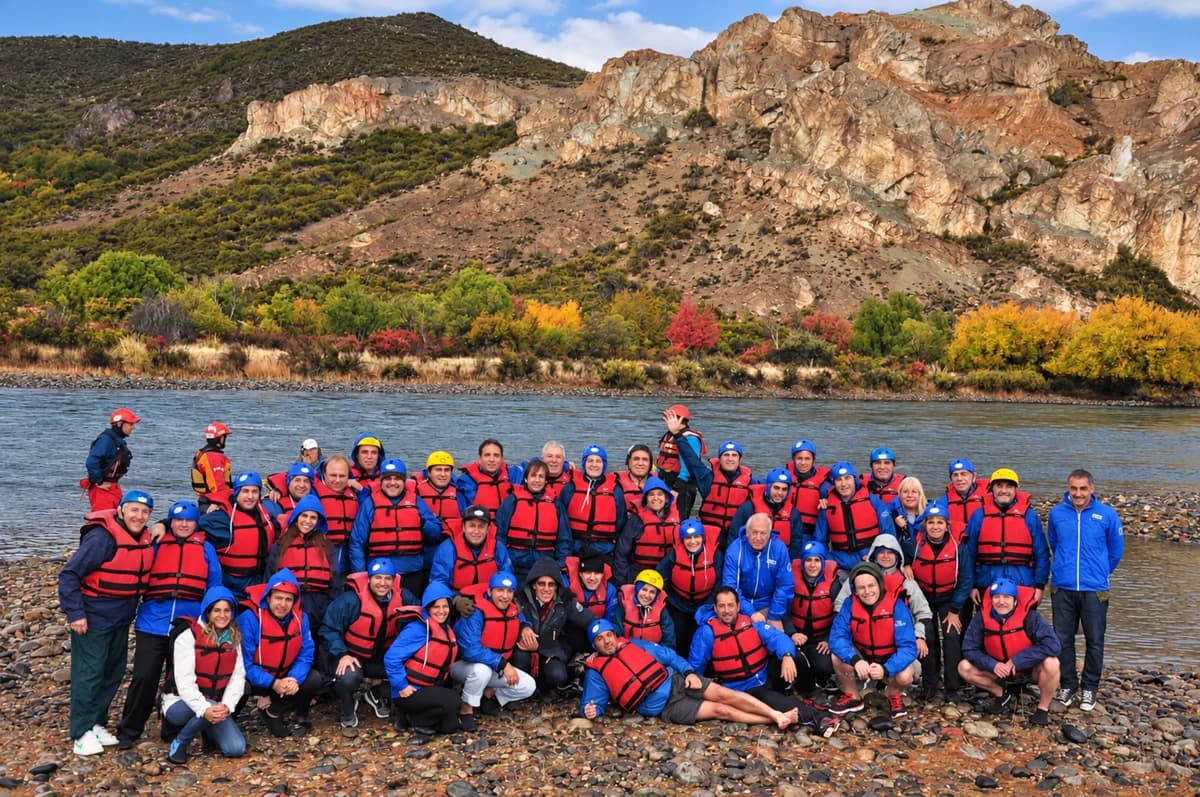
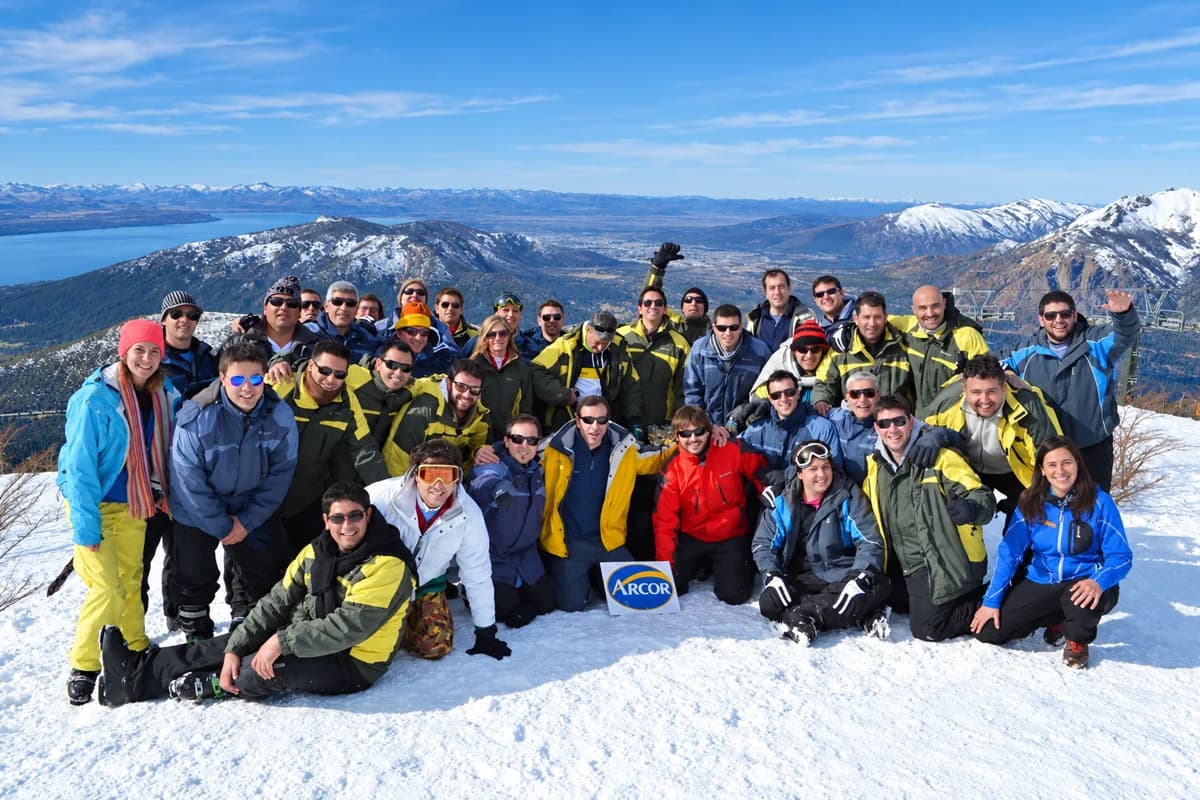
- The date. It is the one decision you cannot correct later. It defines which activities exist at all (no skiing in February, no rafting with the river in full snowmelt), it sets the price of everything, and it decides whether there is availability. In Bariloche, July is peak snow season and hotels are booked months ahead; in September there is still snow at altitude and the town is far quieter (we go into it in when the most snow falls in Bariloche).
- The real size of the group. Not the projected one: the real one. A group of 25 and a group of 90 are not the same programme with more buses. It changes which hotels can host it, whether an activity fits in one wave or three, and the whole transport plan.
- The destination. Only now. And you pick it for what the group will actually do, not for what photographs well.
When you start with the hotel, this is what happens: you book a beautiful place 40 minutes out of town, and then discover that every activity adds an hour and a half of bus each way. Nobody notices it on the spreadsheet. Everybody notices it on day two.
What to settle before asking for a proposal
What an operator genuinely needs in order to build something serious:
- What the trip is for. Rewarding top sellers, integrating two teams after a merger, closing a hard year. Each objective calls for a different programme, and it is the detail most often left out.
- How many people, and who they are. The average age and fitness of the group decide which activities are possible. A group with people in their thirties and in their sixties needs an activity with two levels, not one for everyone.
- How many nights. Three nights is the minimum that justifies the flights; two nights almost always ends with a tired group.
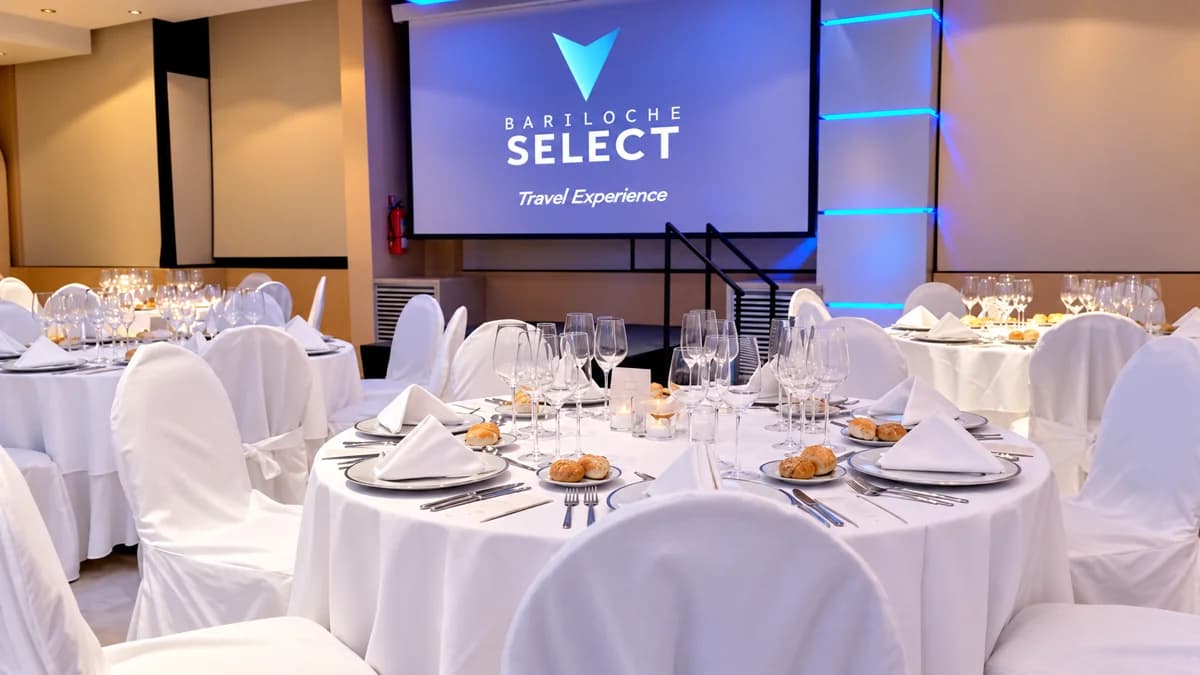
- How much of the time is work. A plenary, an announcement or an awards dinner takes a room, needs equipment, and constrains the timing of everything else.
- The budget, even as a range. Not so it all gets spent: so you are not handed three proposals you were never going to approve.
The mistakes that cost the most
- One compulsory activity for everyone. There is always someone who cannot or does not want to take part. With no alternative planned, that person spends the afternoon alone at the hotel and tells the story when they get back.
- No weather plan B. In the Andes the weather changes an excursion with two hours' notice. Plan B is not improvised the night before: it is quoted alongside plan A.
- Underestimating altitude. Valle Nevado sits above 3,000 metres, and some people feel it. If the highest day is the first day, part of the group has a bad time. You go up gradually.
- Transfers with no slack. The road to the ski resorts closes for snow, border control can be slow, and a large group does not move quickly. Schedules are built with slack or they break on their own.
- Nobody in charge on the ground. A flawless itinerary with no coordinator on site is a document. What holds a programme together when something shifts is a person with a phone, not a PDF.
A timeline that works
- Three to four months out: date fixed, group size estimated, destination chosen, hotel and meeting room held. In peak snow season, earlier.
- Six to eight weeks out: day-by-day programme approved, passenger list, dietary and medical restrictions, travel documents checked. If people are flying in from Brazil, look at this early: the requirements are in documents for travelling to Chile and documents for travelling to Argentina.
- Two to three weeks out: the briefing to the team that is travelling. What to pack, what to wear, how physically demanding each activity is. A group that arrives prepared enjoys it more and asks less.
- The week before: flights confirmed, suppliers reconfirmed, plan B written down and in the coordinator's hands.
What actually makes the difference
It is not the hotel. It is that the programme was built for that specific group, and that someone on the ground is handling whatever moves. If you are weighing up two destinations, Bariloche or Santiago for a company event compares them on concrete criteria, and if you want the trip to leave more than photos behind, team building activities and what each one is good for explains what to expect from each option.
Frequently asked questions
How far in advance should an incentive trip be organised?
Three to four months to have the date, destination and hotel confirmed. If the trip falls in peak snow season (July and the winter school holidays), start earlier: hotel and meeting-room availability in Bariloche and at the ski resorts near Santiago runs out first.
How many nights does an incentive trip need?
Three nights is the reasonable minimum when the group flies in: with two nights, a full day disappears into transfers and the group comes home tired. Three nights allow two complete activity days plus the arrival day.
What if part of the group cannot do the main activity?
An alternative is planned from the start, not the night before. Every activity in the programme should have a lower-effort option for anyone who cannot or does not want to join, and that option is quoted alongside the main one.
What information does an operator need to quote an incentive trip?
The purpose of the trip, the number of people and their age and fitness profile, the date or date range, how many nights, whether there is a working session that needs a meeting room, and a budget range. With that you get a real proposal; without the purpose, you get a generic itinerary.