Francisca
Marketing · Vivencias Travel
For the snow, the basis is the three-layer system: a thermal base layer, fleece and a waterproof jacket. Add a hat, gloves, scarf, thermal socks and waterproof boots. Don't forget factor 50 sunscreen, sunglasses, documents and medication. Much of it can be rented at your destination from around R$ 400.
For the snow, the basis is the three-layer system: a thermal base layer against the skin, a mid layer of fleece and a waterproof outer jacket. To that you add a hat, gloves, a scarf, thermal socks and waterproof boots. Round it off with factor 50 sunscreen, sunglasses, documents and medication. Much of the heavy clothing can be rented at your destination.
What to wear in the snow? The three-layer rule
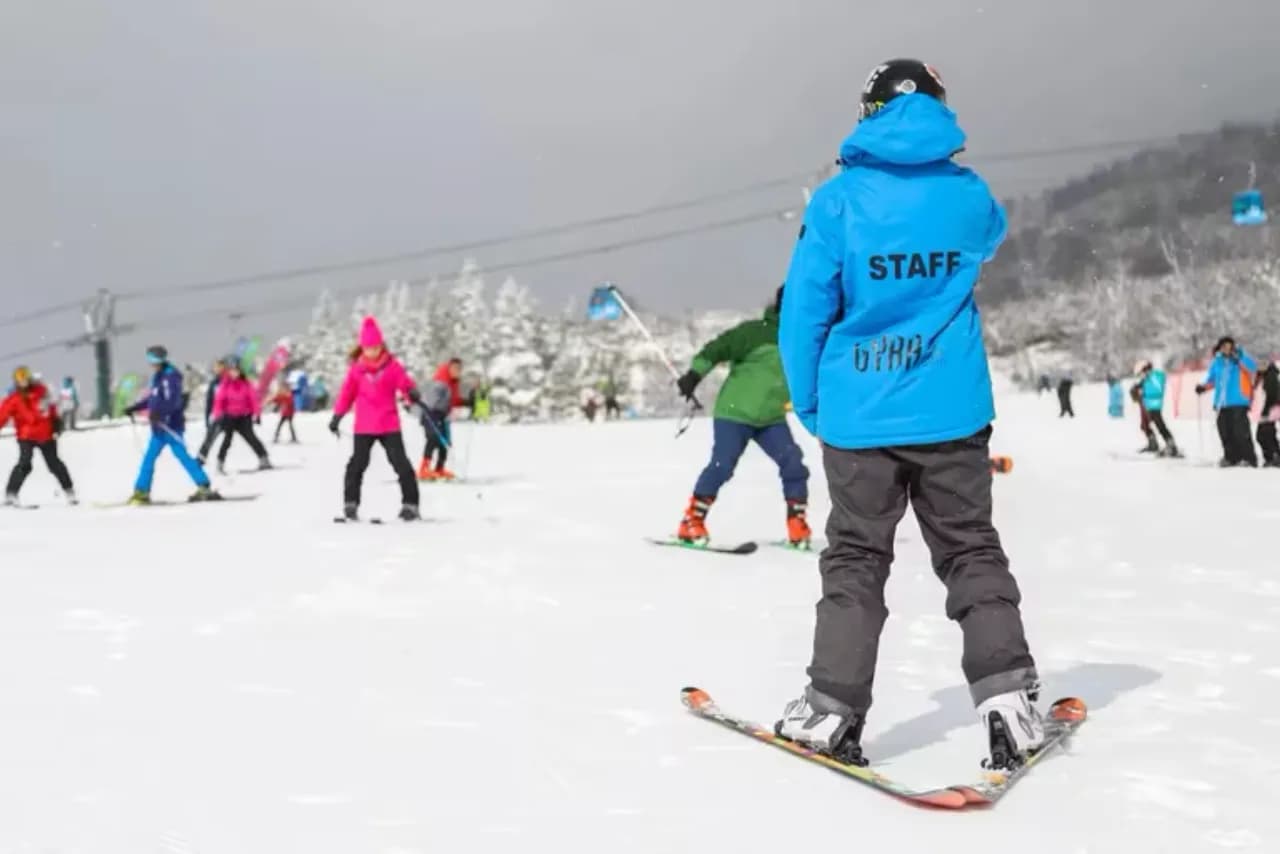
People heading to the snow for the first time usually imagine they need one giant coat, and the truth is the opposite: the secret is layering thin pieces. The first layer, the base layer, sits close to the body, made of lightweight thermal fabric, and its job is to wick sweat away from the skin to keep you dry. The second layer is insulation, usually a fleece, a wool jumper or a microfibre jacket, responsible for holding your body heat. The third layer is the outer shell, which must be waterproof and windproof to block wet snow and freezing wind. The system works because warm air is trapped between the layers, and you can add or remove pieces as the cold shifts through the day. Apply the same logic to your legs, with thermal leggings under waterproof snow trousers.
Which accessories are essential?
The cold attacks the extremities first, so accessories make all the difference. Take a hat that properly covers your ears, thick waterproof gloves, a scarf or balaclava to protect your face and neck, and good thermal socks, which hold heat and cut heat loss far better than ordinary cotton ones. On your feet, the ideal is waterproof boots with a higher shaft and a thick, non-slip sole, to avoid slips and to keep snow from soaking in and leaving your feet damp. A practical detail many forget: the cold and dry mountain air dry out the skin considerably, so a small bag with body and face moisturiser helps keep you comfortable through the trip.
Why are sunscreen and sunglasses essential?
It may seem odd to put on sunscreen in the cold, but in the snow the sun is treacherous. The white surface reflects up to 80% of ultraviolet rays back at your face, and altitude increases that exposure further, since ray intensity rises with every 300 metres above sea level. The result is that skin burns easily even in sub-zero temperatures. So apply factor 50 or higher sunscreen daily, and don't forget lip balm. Your eyes need care too, because the glare can cause photokeratitis, a kind of burn to the cornea. Use good-quality sunglasses with UV protection and, ideally, side coverage, or choose proper snow goggles. This item is as essential as the jacket.
Is it worth renting snow clothing at your destination?
It's the most common question for travellers heading to the Andes, and the answer depends on how often you plan to return to the snow. Buying all the gear is expensive and takes up a lot of suitcase space, especially the outer jacket and waterproof trousers, bulky items you'll probably use only on this trip. So renting at your destination usually pays off. In cities like Santiago there are shops offering full kits with a waterproof jacket, snow trousers, boots and gloves, with prices varying widely by area: renting in central Santiago tends to be cheaper, while near the resorts the convenience pushes the price up, with rates from around R$ 400 at a midpoint along the way. The tip is to book ahead in high season, between June and August, especially if you need specific sizes or children's clothing. The base layers, like thermals and thermal socks, are worth bringing from home, because they're cheap, light and sit directly against your skin.
What else to take? Documents, medication and packing tips
Beyond clothing, a few items make for a smooth trip. Sort out your passport or ID, travel insurance covering winter sports and your booking confirmations in advance. On health, bring any regular medication and a basic kit with painkillers, something for fever and something for headaches, since altitude can trigger soroche, or altitude sickness, with symptoms like dizziness, breathlessness and nausea. Drinking plenty of water and giving your body time to adjust helps ease it. To finish, a packing tip that saves space: wear your bulkiest jacket and snow boots on the day of the flight, and pack several thin thermal layers rather than a few huge coats. That way you travel comfortably and arrive ready to enjoy the snow.
If you are planning the whole trip, the complete guide to travelling in Chile covers documents, the best season, costs and how many days to allow.
If you are planning the whole trip, the complete guide to travelling in Argentina covers documents, the best season, how many days and how to pair it with Santiago.
Frequently asked questions
How should you dress for the snow?
By the three-layer rule: a thermal base layer against the skin to wick sweat away, a mid layer of fleece or wool to hold heat, and a waterproof, windproof outer shell. Warm air is trapped between the layers and you add or remove pieces as the cold shifts. The same logic applies to your legs.
Which accessories are essential?
A hat that covers the ears, thick waterproof gloves, a scarf or balaclava, and thermal socks: ordinary cotton socks will not do. On your feet, waterproof high-cut boots with a thick, non-slip sole.
Why is sunscreen essential in the snow?
Because the white surface reflects up to 80% of ultraviolet radiation back at your face, and intensity rises every 300 metres of altitude. Skin burns even below freezing. Use factor 50 or higher, lip balm and sunglasses: the glare can cause photokeratitis, a burn of the cornea.
Is it worth renting snow clothing at the destination?
In most cases yes, especially the outer jacket and waterproof trousers: they are expensive, bulky, and you will probably use them only on this trip. Santiago has shops with complete kits, and renting downtown tends to be cheaper than on the mountain.
Sources
- Club Med · Mala de viagem para a neve: o que levar?
- Brasil na Neve · O que levar para sua primeira viagem na neve
- Mala de Aventuras · Mala de viagem para neve: o guia das 3 camadas
- Columbia Sportswear · Entenda o sistema de camadas
- Mochileiros · Como se vestir no frio: guia em 3 camadas
- Club Med · Segunda pele térmica: a importância de usá-la no frio
- Nós no Chile · Aluguel de roupa de neve no Chile
- Tem no Chile · Onde alugar roupas de neve em Santiago
- Brasil na Neve · Dicas de segurança para evitar queimaduras solares na neve
- Salão Virtual · Protegendo os olhos na neve: óculos de sol e esqui
- Viaje na Viagem · Mal de altitude (soroche): sintomas e como combater
- SnowOnline · O que não pode faltar na sua mala para a neve