Francisca
Marketing · Vivencias Travel
Buenos Aires tops the destinations Brazilians search for most. Documents, the best season for Bariloche in winter and summer, how many days, money, and how to pair it with Santiago.
Buenos Aires sits at the top of the international destinations most searched by Brazilians, alongside Santiago. And Argentina is the easiest neighbouring country to visit: no visa, entry with an ID card, and a short flight from any Brazilian capital.
This guide covers the essentials: documents, when to go, how many days, and which destinations suit which kind of trip.
Do you need a visa or passport for Argentina?
No. Under the Mercosur agreement, Brazilians enter Argentina with just an ID card, as long as it is in good condition, has a photo that allows clear identification and is not too old. The physical card is mandatory: the digital one is not accepted at immigration. Minors travelling without both parents need authorisation: here are the documents required, in detail.
When is the best time?
It depends entirely on the destination, because Argentina is a very long country:
- Bariloche in winter (June to September). Snow, Cerro Catedral, and the season when most Brazilians travel there. See when each resort opens.
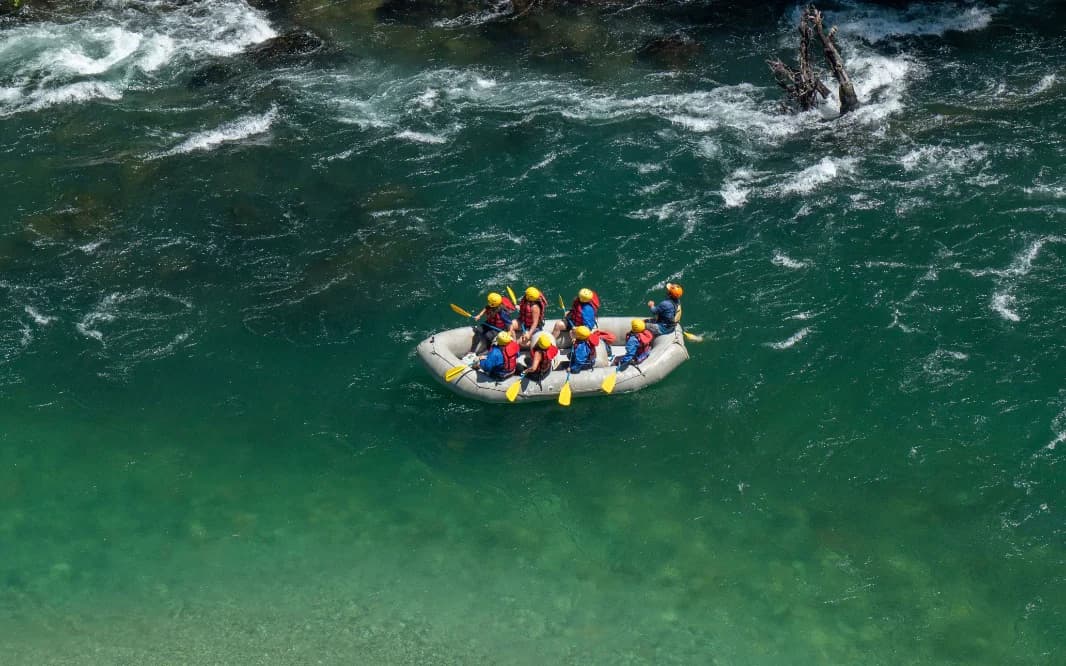
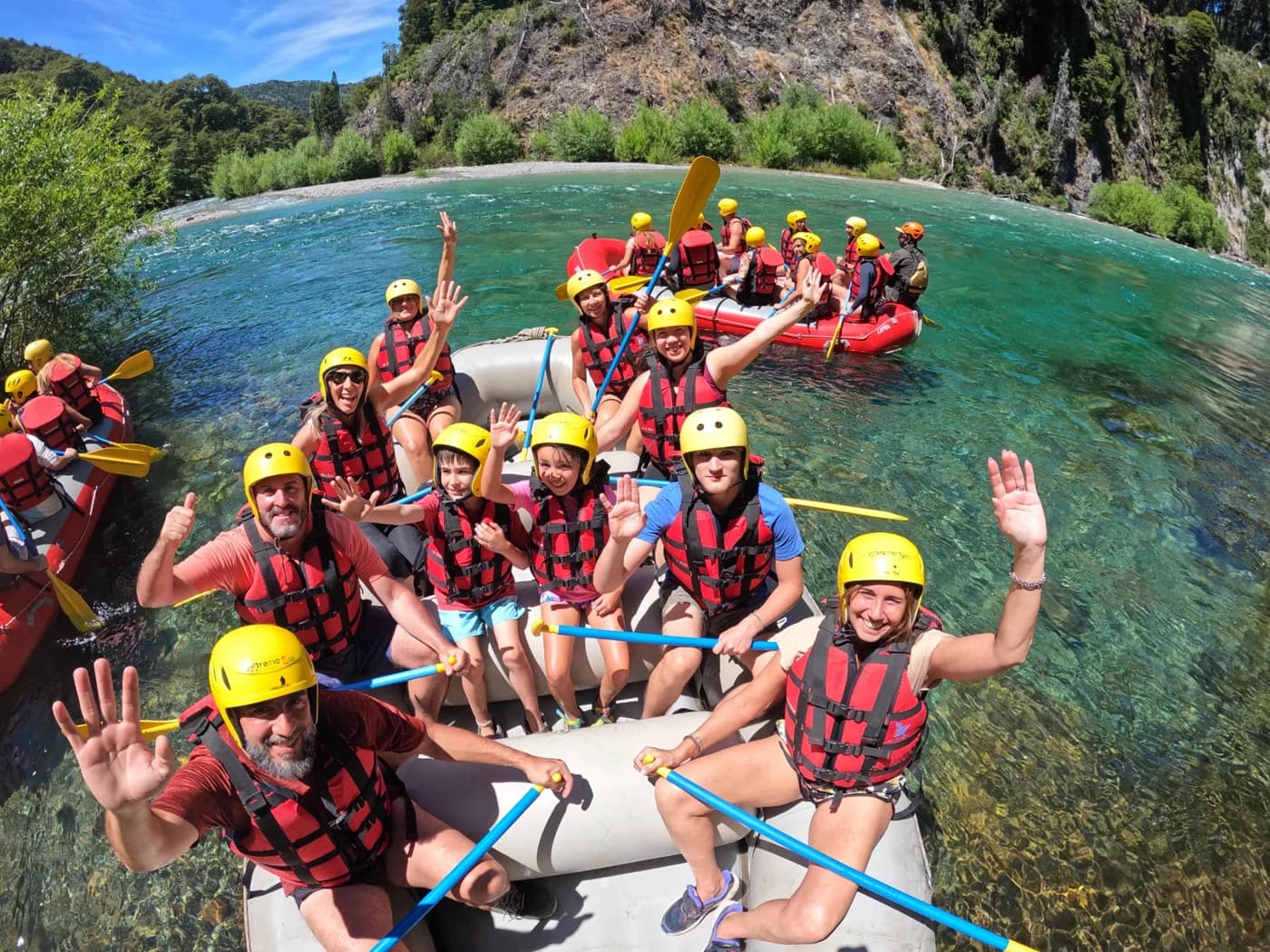
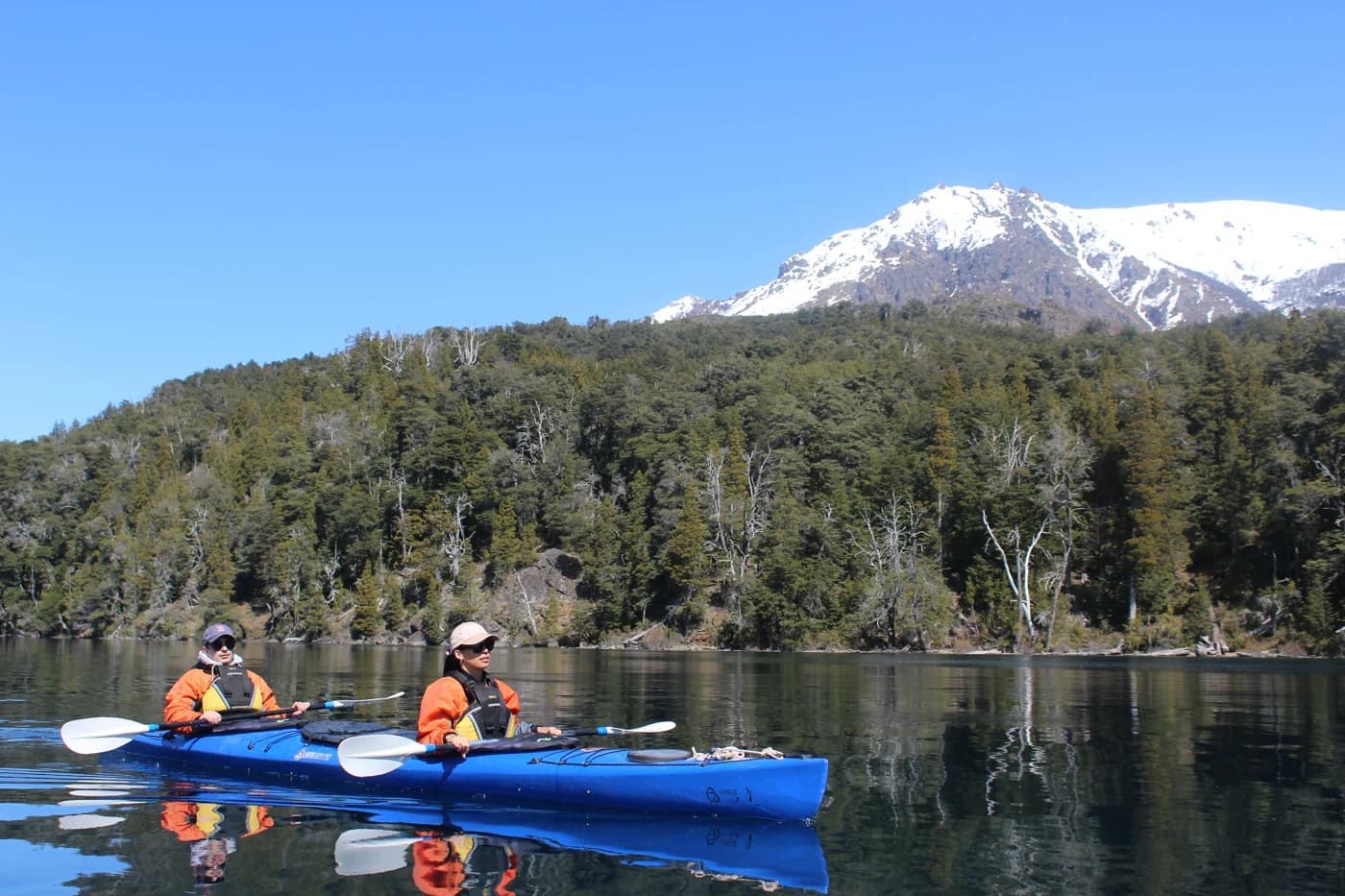
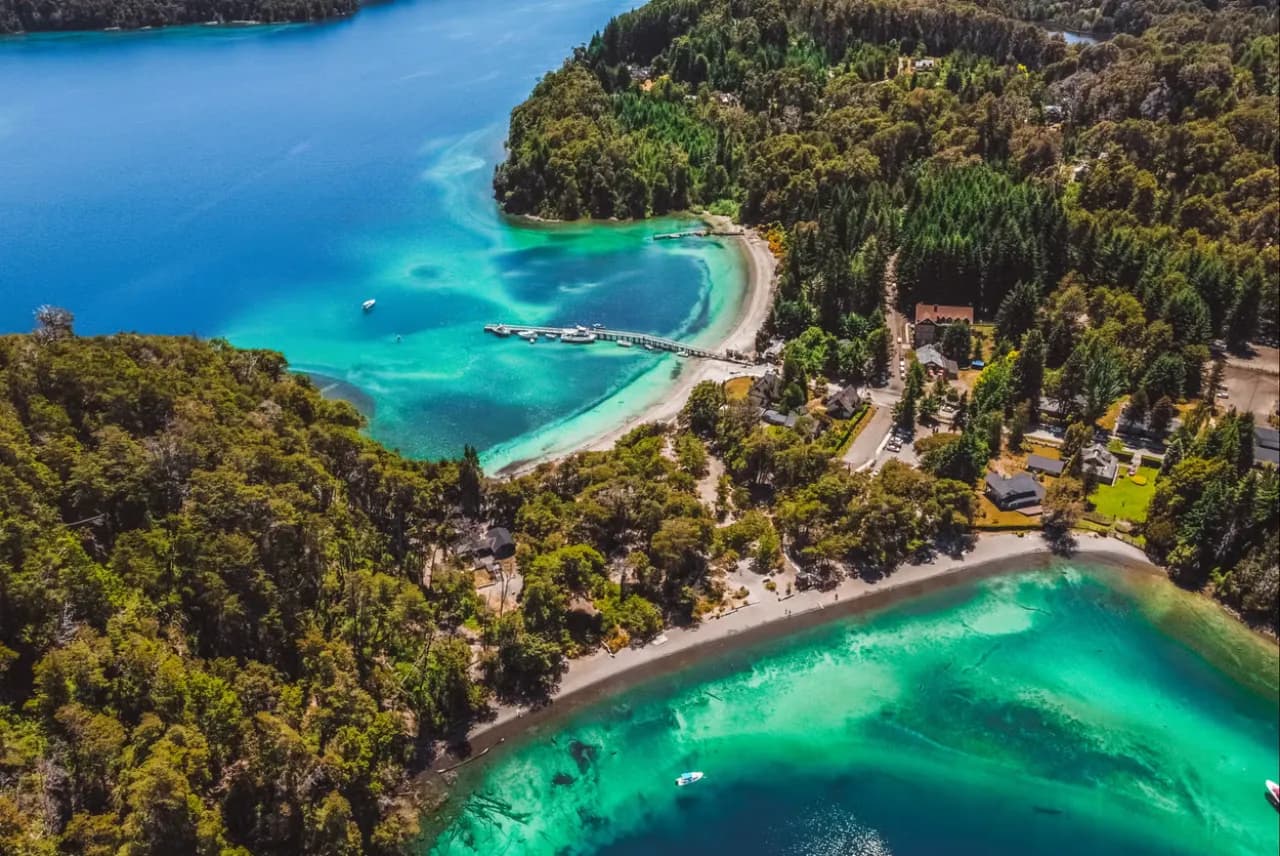
- Bariloche in summer (December to March). A completely different destination: lakes, trails, the Circuito Chico and long days. It is the region's worst-kept secret.
- Buenos Aires. Best in spring and autumn (October to November, March to May). Summer is hot and humid; winter is cold but perfectly workable.
How many days?
- Buenos Aires only: 4 days cover the essentials.
- Bariloche only: 5 to 6 days, and what it costs is here. With snow, allowing a day's margin for the weather.
- Buenos Aires + Bariloche: 8 to 9 days, with a domestic flight between them.
The destinations Brazilians look for most
- Bariloche. The snow destination Brazilians search for most in South America, and the one with most to do off the slopes. In summer it turns into a lakes-and-mountains destination.
- Buenos Aires. Food, theatre, football, shopping, and neighbourhoods you can walk end to end.
- Mendoza. Wine and mountains, named among the world's best destinations for 2026.
- Iguazú Falls, Argentine side. The walkway out to the Devil's Throat is the reason to cross the border.
Money: the part that changes most
Argentina's economy moves fast, and any specific figure ages within weeks. Two practical rules that still hold:
- Pay by card wherever you can, and keep the receipts so you can check the conversion afterwards.
- Carry some cash for small places, tips and transport.
It is also worth knowing that part of Chile's recent growth as a destination comes precisely from Argentina having become more expensive by comparison. If you are choosing between the two, compare real prices on your dates rather than each country's reputation.
Bariloche and Santiago on the same trip?
It is a combination that makes sense and that few people consider: two mountain destinations in different countries, short flights between them, and a similar trip profile. In winter you can see snow on both sides of the Andes. In summer, lakes on one side and vineyards on the other.
Frequently asked questions
Do you need a visa for Argentina?
No. Under the Mercosur agreement, Brazilians enter with just an ID card, as long as it is in good condition, has a photo that allows clear identification and is not too old. The physical version is mandatory: the digital one is not accepted at immigration.
When is the best time to travel to Bariloche?
June to September for snow, which is when most Brazilians travel. December to March for lakes, trails and the Circuito Chico, with long days and a completely different destination.
How many days do you need in Argentina?
Four days for the essentials of Buenos Aires, five to six for Bariloche allowing a margin for the weather, and eight to nine to combine both cities with a domestic flight between them.
Can you combine Bariloche and Santiago on the same trip?
You can, and it makes a lot of sense: two mountain destinations with short flights between them and a similar trip profile. In winter you see snow on both sides of the Andes; in summer, lakes on one side and vineyards on the other.