Francisca
Marketing · Vivencias Travel
Nobody skis well on day one, and that is exactly the value. How to build a day in the Andes with a team that has never seen snow, which resort to pick, and what to do with people who would rather not ski.
Of all the team building activities within reach of Santiago, snow produces the effect that is hardest to get any other way: it flattens hierarchy in a morning.
The reason is not mystical. Nobody skis well on day one. The managing director and the person who joined two months ago both start from zero, both fall over, and help each other up. A team that has seen itself like that treats each other differently the following Monday, and no flip-chart exercise produces it.
Where: three resorts one to two hours out
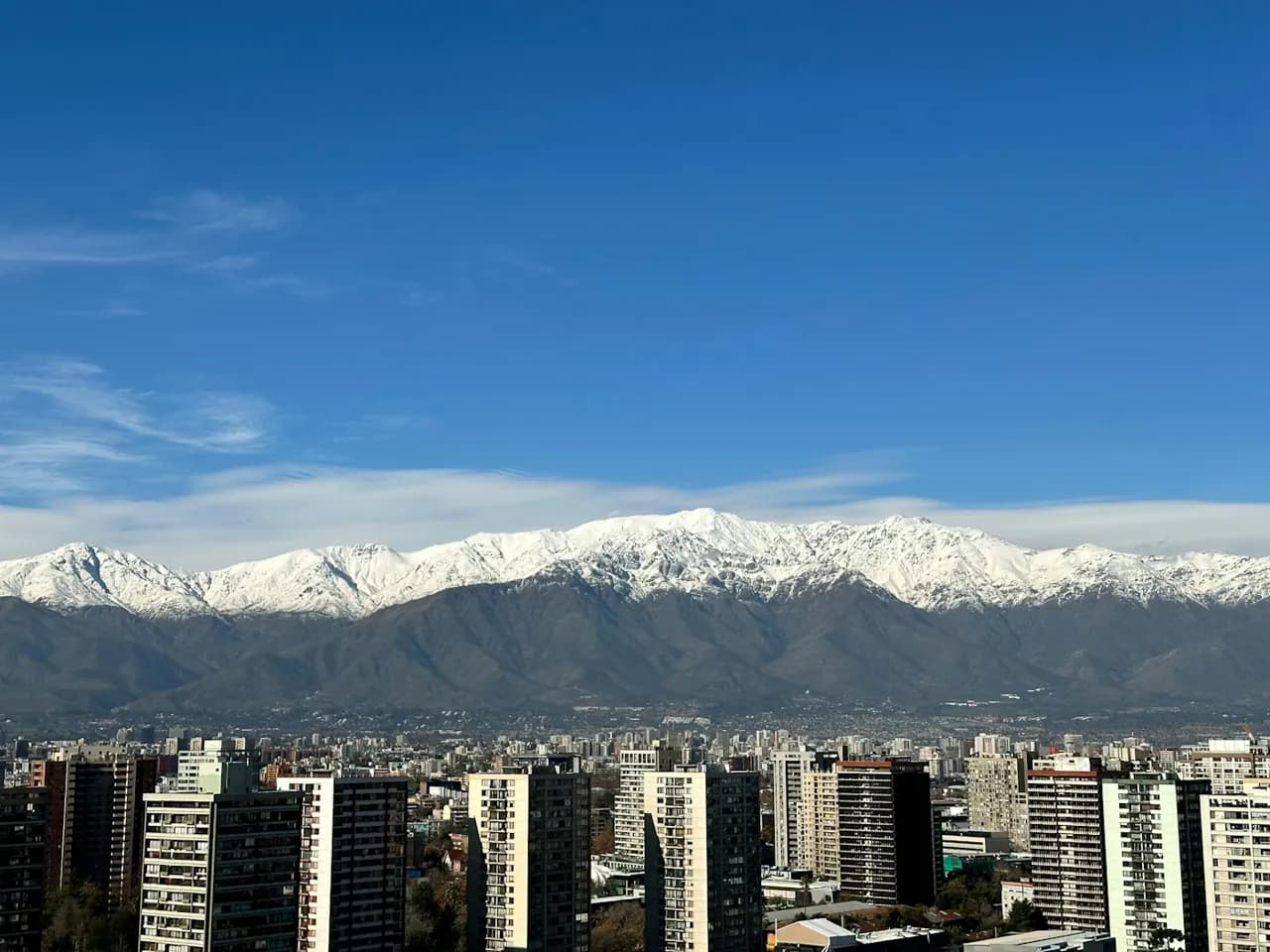
All three sit on the same road, climbing out of Santiago through Las Condes:
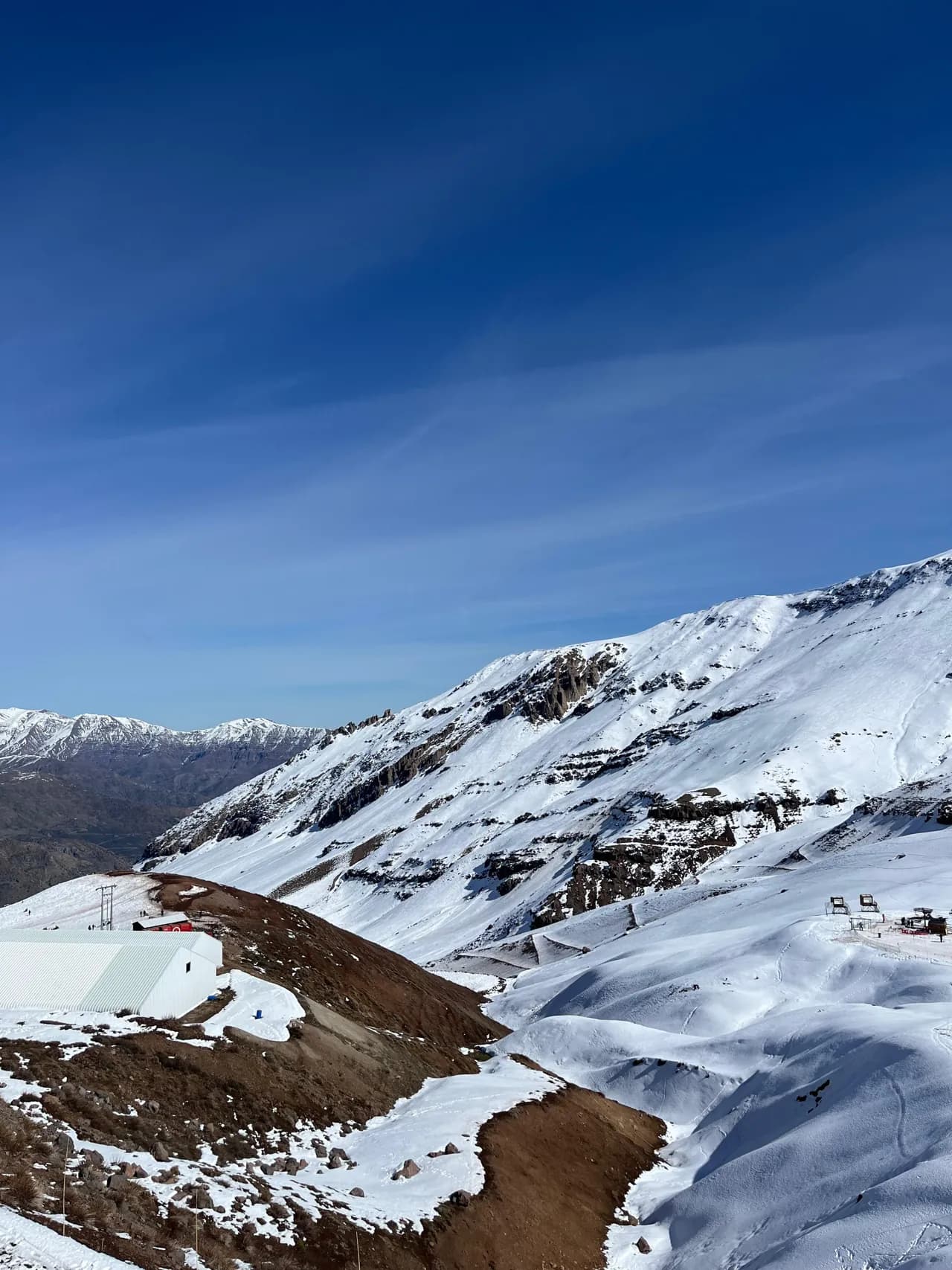
- Farellones is the lowest and the friendliest for a group that has never been in snow. It has a snow park with activities that need no skis, which is exactly what you need when half the company would rather not get on a board.
- El Colorado sits above Farellones, with more runs and good beginner terrain.
- Valle Nevado is the highest, the largest and has the best snow, but it is above 3,000 metres and that has consequences.
The full comparison is in Valle Nevado, Farellones or El Colorado. For a mixed corporate group, Farellones or El Colorado usually work better than Valle Nevado, even though Valle Nevado photographs better.
Altitude, the detail that ruins a first day
Valle Nevado is over 3,000 metres and the road climbs fast. Some people feel it: headache, fatigue, mild nausea. If the group flew in that same week, the odds go up.
What we do: never make the highest day the first day of the programme, go up slowly, tell the team to drink water from the night before, and skip alcohol the evening prior. That is not decorative advice; it is the difference between the whole group enjoying the day and three people sitting in the cafeteria.
The road: what nobody writes into the itinerary
The climb has around forty hairpins, known locally as caracoles, and in winter there is a checkpoint requiring chains or four-wheel drive. Two practical consequences for a company group:
- Some people get carsick on the way up. Warn them beforehand, seat them at the front, and keep breakfast light.
- The road can close for snowfall, sometimes at short notice. Plan B is not optional and is not improvised the night before: it is quoted alongside plan A.
How the day is built
For a group that has never skied, this is the day that works:
- 07:30, departure from Santiago. Early for two reasons: the road checkpoint, and morning snow is better.
- 09:30, arrival and equipment hire. The real bottleneck of the day. For fifty people, allow a long hour and sort sizes in advance from the group list.
- 10:30, beginners' lesson. Two hours, in small groups. A well-run lesson is the difference between a good memory and a frustrating morning. If nobody on the team has been in snow, send them the guide for people who have never skied beforehand.
- 12:30, lunch. Long, hot, everyone together. Half of what you wanted from the day gets built here.
- 14:00, free time in the snow. Whoever wants to keeps skiing; everyone else does the snow park activities.
- 16:00, return. It gets dark early in winter and you want to come down in daylight.
What the people who do not want to ski do
It is the most important question of all, and the least asked. In a group of fifty there are always around ten who will not put skis on, out of fear, an old injury, or simply no interest.
With no plan for them, they spend the day looking out of the cafeteria window and that is the story they tell. The snow park solves it well: there are activities on the snow that need no technique and no equipment, and the person stays with the group, in the same place at the same time.
Season and dates
June to September, with distinctions that matter when booking:
- July has the best snow and is the worst month for a company group: it overlaps with the school holidays, it is crowded and it is the most expensive.
- August usually has snow just as good with far fewer people.
- September still has snow at altitude, with longer days and lower prices. It is our recommendation when the date is flexible.
The month-by-month detail is in when the most snow falls in Chile and the best time to ski near Santiago.
What the team needs to bring
Communicate this two or three weeks ahead, not the night before: waterproofs, layers, gloves, sunglasses and sunscreen, which matters more in snow than on a beach. Ski equipment is hired up there. What to pack for the snow works as the briefing message more or less as it is.
If summer is your only window
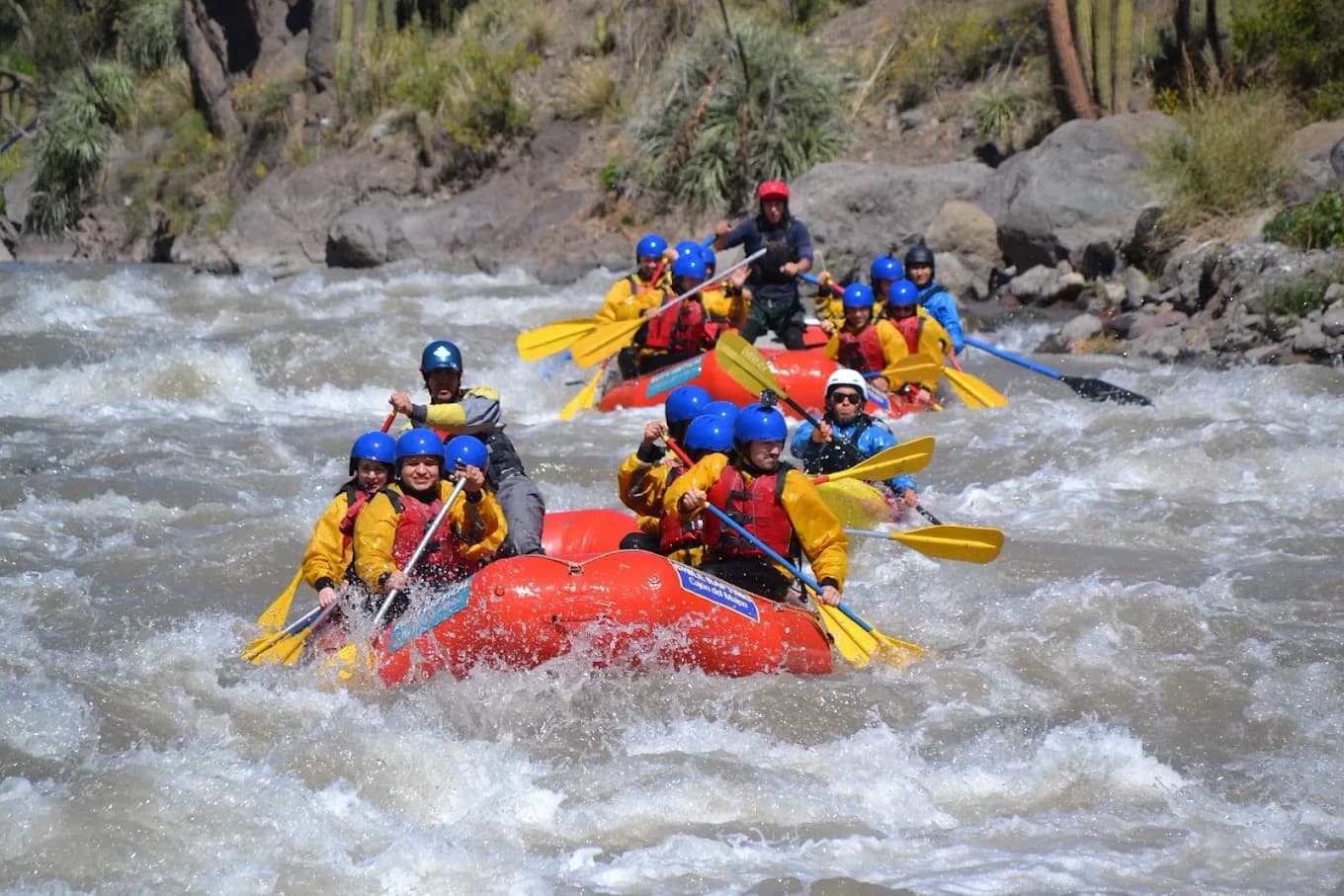
Between October and April there is no snow in the central Andes, and the equivalent day is the river: team building in the Cajón del Maipo. And if you are still comparing options, team building in Chile has the full picture within two hours of Santiago.
Frequently asked questions
Can you do team building in the snow if nobody on the team has skied?
That is exactly when it works best. It is built around a two-hour beginners' lesson in small groups plus a snow park for anyone who would rather not ski. Nobody knowing how to ski is what levels the whole group, which is the effect you are after.
Which ski resort near Santiago is best for a company group?
For a mixed group with no snow experience, Farellones and El Colorado usually work better than Valle Nevado: they are lower, the beginner terrain is friendlier, and there are activities that need no skis. Valle Nevado has the best snow but sits above 3,000 metres, and the altitude affects part of the group.
When should a company snow day be scheduled?
Between June and September. August and September are the best months for a corporate group: good snow with fewer people and lower prices than July, which overlaps with the school holidays and is the most expensive and most crowded month of the season.
What happens if the mountain road closes because of snow?
It can happen, sometimes at short notice, because the access road has a checkpoint requiring chains or four-wheel drive and is closed pre-emptively ahead of heavy snowfall. That is why plan B is quoted alongside plan A and held as a booking, rather than improvised the night before.