Francisca
Marketing · Vivencias Travel
Permits in protected areas, bringing in equipment, foreign crew, invoicing and mountain weather. What governs the schedule of a shoot across the border, in the order it has to be resolved.
Chile and Argentina hold landscapes a foreign production will not find at home: the driest desert on the planet, glaciers, altiplano at 4,300 metres, Patagonian steppe, and snow-covered mountains two hours from a capital city. The distance is short and the time zone is nearly the same.
What usually causes trouble is neither the creative nor the budget. It is five production items that, discovered late, move the entire shooting date.
1. Permits, the slowest item
Filming commercially in a protected area requires authorisation from the body that administers it, and that applies to an Argentine national park as much as to a Chilean reserve. Each has its own procedure, access conditions, people quotas and equipment restrictions, and timelines vary by authority, location and time of year.
The practical consequence is always the same: the application starts before dates are locked, not after. A production that sets the shooting day first and chases the permit afterwards usually finds the chosen window is not viable, and by then the flights are booked.
This also covers private estates, ski resorts, wineries and roads. In some cases it is not a formal permit but a conversation with the owner, and that conversation takes as long as it takes.
2. Technical equipment entering the country
Cameras, grip and lighting arriving temporarily go through a temporary admission regime. The production handles that with its customs broker, and it is worth resolving early because it determines when the kit actually reaches the location.
What gets contracted locally is what follows: collection, transport to set, custody during the shoot and return. In mountain locations this is not a detail, because the vehicle carrying sensitive equipment over a gravel road is not just any vehicle.
3. Foreign crew
Immigration requirements depend on each crew member's nationality and the type of activity. It is checked before tickets are issued, particularly if the shoot crosses a land border, which is common when the script combines Bariloche and Chile.
For crew travelling from Brazil the usual travel documentation rules apply, with details that catch people out every year: they are in documents for travelling to Chile and documents for travelling to Argentina.
4. Who invoices, in which country and in which currency
A production crossing the Andes usually contracts services in both countries. The invoice comes from the legal entity of the country where the service is delivered, in that country's currency. Since this affects contract currency and payment terms, it is settled at budget stage rather than at payment.
5. Weather, which cancels shooting days here
In the Andes and on the altiplano a shooting day falls through with two hours' notice, and the road to the ski resorts can close for snow. In the Atacama the issue is different: altitude, extreme pre-dawn temperature swings, and no services within fifty kilometres.
That is why plan B is not an idea but a budget line: an alternative location quoted and booked from the start. A production that did not budget contingency will improvise on the day, and improvising in the mountains is expensive.
A timeline that works
- Ten to twelve weeks out: locations defined, permit applications started, accommodation and fleet held. In high season, earlier.
- Six to eight weeks out: budget closed line by line, contingency plan quoted, on-site scouting if the project requires it.
- Three to four weeks out: equipment logistics, final crew list, travel documents checked, catering plan with dietary requirements.
- The week before: suppliers reconfirmed, access routes tested, local coordinator briefed.
What to ask a local supplier
- Whether the fleet is their own or subcontracted, and who the drivers are.
- How many of their people will be on the ground during the shoot.
- How catering and toilets are handled at a location with no services.
- Whether plan B is quoted and booked, or merely mentioned.
- Which entity issues the invoice, and in which currency.
- What relationship exists with the protected-area administrator or the landowner.
That last question separates a transport supplier from a production partner. Access to a difficult location is not arranged with a phone call the week before.
The locations most in demand
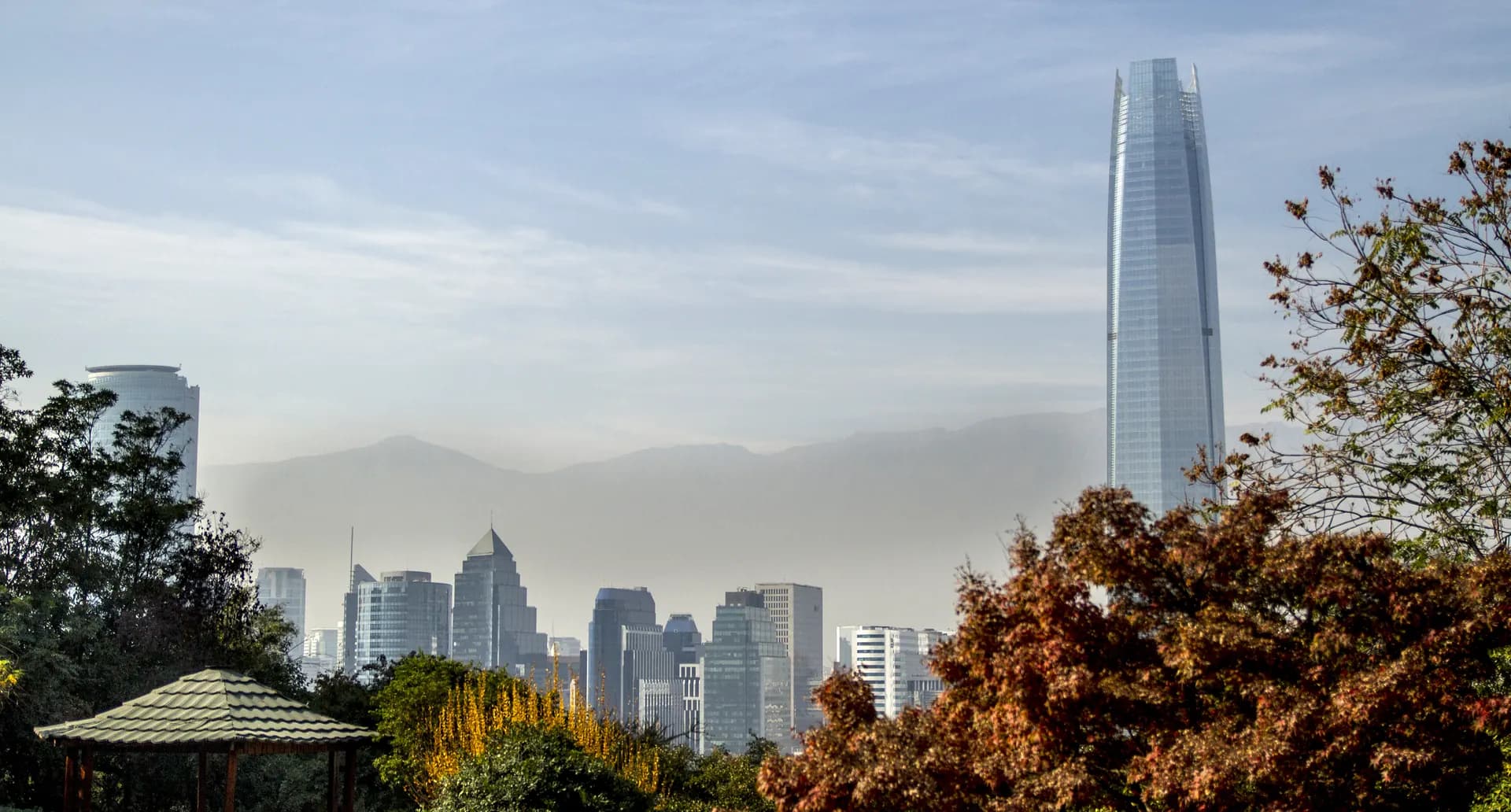
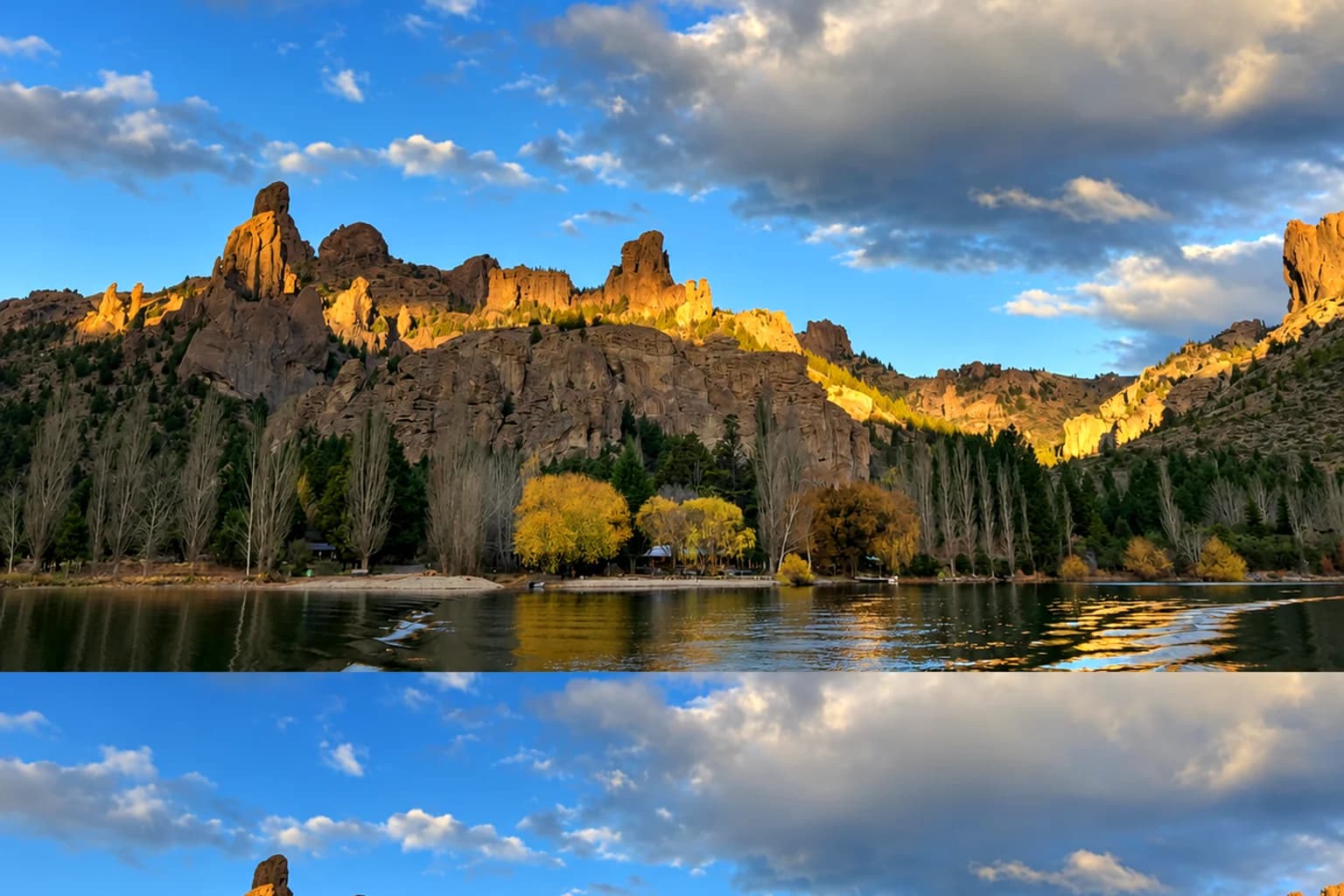
For reference, the four regions that concentrate demand are the Atacama Desert, the Andes two hours from Santiago, Santiago with its valleys and coast, and Argentine Patagonia with the lakes and the steppe. Each with its own season: snow runs June to September, the altiplano is most stable in the dry winter, and the Patagonian steppe is at its best in autumn, when the poplars turn.
If you are assessing a shoot in Chile or Argentina, our production services cover locations, permits, logistics, transport, catering, accommodation and support crew across the three countries. And if the project is a company trip rather than a shoot, how to organise an incentive trip sets out the decisions for that case.
Frequently asked questions
Do you need a permit to film in a national park in Chile or Argentina?
Yes. Filming commercially in a protected area requires authorisation from the body that administers it, with specific conditions on access, quotas and equipment use. Timelines vary by authority, location and season, which is why the application starts before shooting dates are locked rather than after.
How does filming equipment enter Chile or Argentina?
Under a temporary admission regime, which the production arranges with its customs broker. What is contracted locally is what follows: collection, transport to location, custody during the shoot and return. In mountain locations, moving sensitive equipment requires the right vehicle and driver.
Which country invoices a shoot that crosses from Chile into Argentina?
The invoice comes from the legal entity of the country where the service is delivered, in that country's currency. Since it affects contract currency and payment terms, it is settled at budget stage rather than at wrap.
How far in advance is a shoot in Chile or Argentina organised?
Ten to twelve weeks to define locations, start permit applications and hold accommodation and fleet, and earlier still in high season. The closed budget and contingency plan are ready six to eight weeks out, and equipment logistics and crew documentation three to four weeks out.