Francisca
Marketing · Vivencias Travel
A one-day trip is built around an activity. A study trip needs more: progression, a thread running through the days, and an ending that can be assessed. How it is built.
A study trip is not a stretched field trip. When a class spends four or five days away, two things appear that a single day cannot offer: time for the content to progress and living together, which ends up teaching as much as the programme.
Making use of those two things is what separates a study trip from a sequence of excursions.
The thread: a question that runs through every day
A teaching programme works when the days are not independent. The simplest way to achieve that is to define a question that runs through the trip and that each day helps answer.
Some threads that work with real destinations:
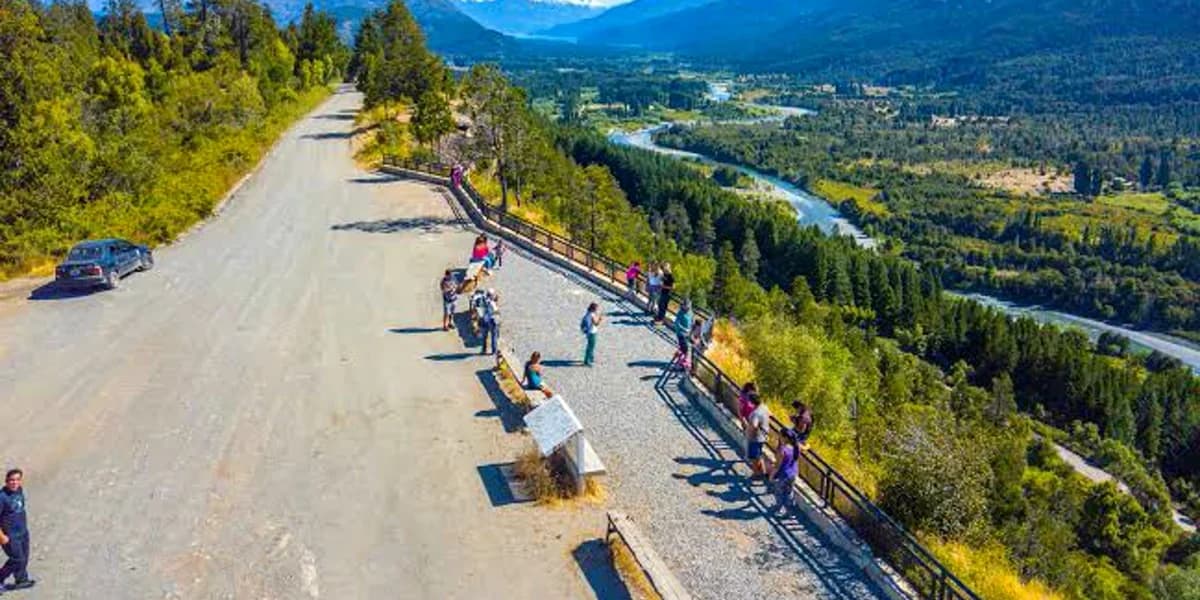
- How ice shaped this landscape. Glaciers, glacial lakes, moraines and U-shaped valleys. It is almost everything you see in Bariloche, and it only clicks once you have seen all three on different days.
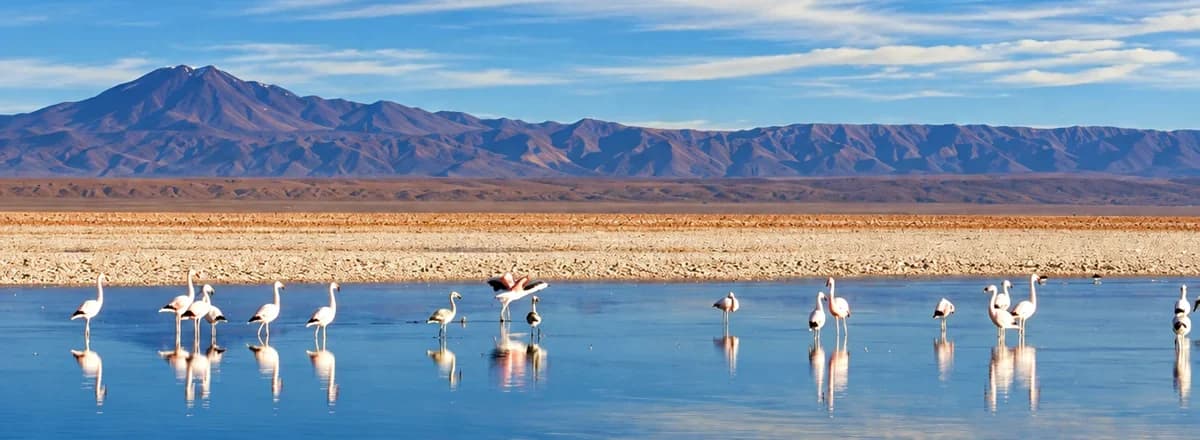
- How life adapts to extremes. A high-altitude ecosystem, a salt flat, a lagoon with flamingos. In northern Chile the content is literally in plain sight.
- How the people here live. Trades, production, local history and communities. It is the thread that works hardest on coexistence and respect.
- How a real industry works. Tourism, agriculture, fishing, energy. Particularly useful for vocational or technical classes.
With a thread defined, each activity is in or out for a reason, not because it came in the package.
Progression, which a single day cannot provide
The days should not weigh the same or ask the same:
- Arrival day: orientation. A general tour that gives the mental map of the place. Nothing demanding: the group has just travelled and has not settled in.
- Core days: depth. The activities that answer the thread, one per day, in increasing order of difficulty.
- Final day: synthesis. Something lighter, plus a moment with the group to make sense of what happened before heading home.
What makes the content stick
The difference between a trip that is remembered and one that is merely retold comes down to three small things:
- Preparation in the classroom beforehand. A class that arrives knowing what it is going to see gets twice as much from it. A lesson, a reading or a short guide is enough.
- A simple task during the trip. Recording, photographing, noting, measuring. Not a long assignment: something that forces careful looking.
- An ending that gets assessed. A presentation on return, a short report, an exhibition. That is what turns the trip into content and what justifies it to the school and to families.
Living together, which is not in the programme but happens anyway
For many students it is the first trip without family. That brings things worth anticipating:
- Nobody sleeps the first night. It is always the case, so the next day should not be the most demanding one.
- Groups form on their own, repeating the ones from the classroom. Mixing them deliberately in activities and at tables changes the trip.
- Someone will be homesick. Planning who supports them and how they contact their family stops it becoming the story of the trip.
- Free time is part of the programme, not a gap. Half of what gets remembered happens there.
What has to be settled, as on any trip
Teaching content does not replace the operational side. Before confirming: firm dates, costs with what is and is not included, a safety plan and each student's documents. That is in how to organise an educational field trip, safety on an educational trip and travel documents for minors.
The question worth asking at the end
Not "did they have a good time?", but can they explain what they saw?. If the answer is yes, the trip did its job, and that is what makes it possible to run it again next year with the backing of the school and of families.
Frequently asked questions
What is the difference between a study trip and a one-day educational trip?
A multi-day trip allows two things a single day cannot: progression of content and living together. That is why it is structured around a thread running through every day, with an arrival day for orientation, core days for depth and a final day for synthesis, rather than being a sequence of independent excursions.
How do you give a study trip teaching content?
By defining a question that runs through every day and that each day helps answer, such as how ice shaped the landscape or how life adapts in an extreme ecosystem. With that thread, each activity enters the programme for a reason rather than because it came in the package.
What makes the content of a study trip stick?
Three simple things: classroom preparation beforehand so the class arrives knowing what it will see, a simple task during the trip that forces careful looking, and an ending that is assessed on return, such as a presentation or a short report. That is what turns the trip into content.
How do you manage group life on a study trip?
By anticipating what always happens: nobody sleeps the first night, so the following day should not be the most demanding; groups form on their own repeating the classroom ones, so it is worth mixing them deliberately in activities and at tables; and someone will be homesick, so it is worth planning who supports them.