Francisca
Marketing · Vivencias Travel
An educational trip is not an excursion in school uniform. What sets it apart, how the itinerary is built from the learning objective, and what has to be settled before telling parents.
An educational trip is judged differently from a tourist one. The people travelling do not choose it: a teacher proposes it, a head approves it, a parent authorises it and a family pays for it. Four filters, and at each one the question is the same: what will the class learn that it cannot learn in the classroom.
We run these trips all year, with schools in Chile and Argentina. This is what makes them work.
Objective first, destination second
It is the step most often skipped and the one that defines everything else. A trip without a written objective ends up as a long outing, and it shows in the report afterwards.
Objectives that work are specific and can be assessed later:
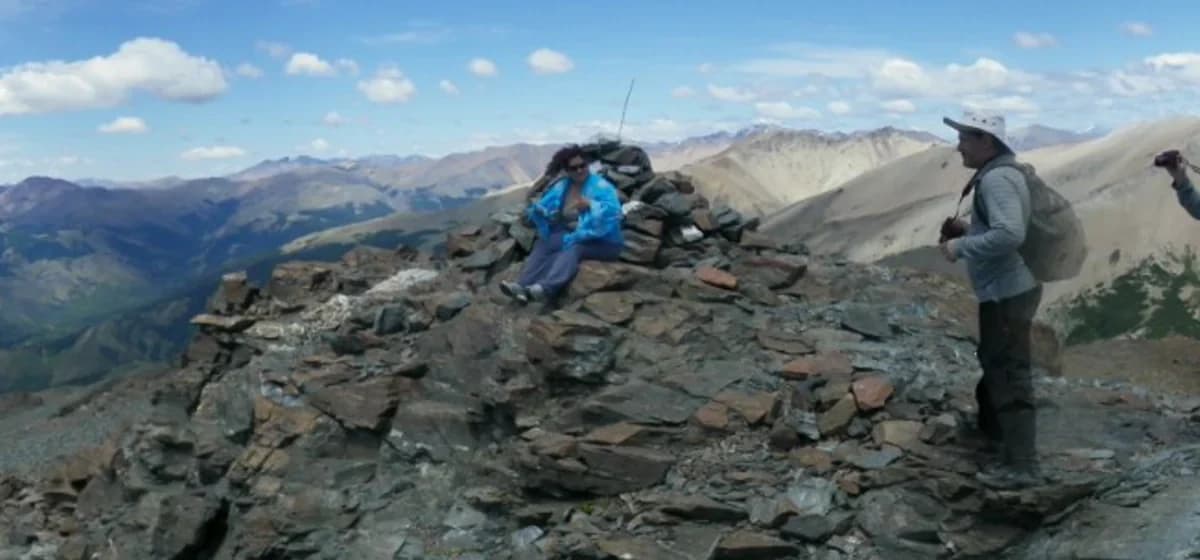
- Seeing in the field something studied in class. An ecosystem, a rock formation, a historical event, a production process.
- Building independence and coexistence. For many students it is the first trip without family, and that teaches things no subject covers.
- Getting to know their own region. Some classes live an hour from a national park and have never been inside it.
- Linking the classroom to a real trade. A class studying tourism that walks into a hotel, a port or a kitchen sees the content turn into work.
Writing that in one line before asking for quotes changes the proposal you get: with an objective, you get an itinerary; without one, you get a package.
How the itinerary is built from there
With the objective set, every activity has to justify its place in the day. An educational itinerary is built the opposite way to a tourist one: it is not about seeing as much as possible, it is about understanding what is seen.
Three rules we apply:
- One main activity a day, not three. The rest of the day is transport, meals and time for what was seen to settle. A tired class neither learns nor talks.
- Activities at an even level. If part of the group cannot do the walk, you do not split the class: you choose a different walk.
- A closing moment. Ten minutes at the end of the day, with the group sitting down, are worth more than an extra activity. That is where the story of the day gets built.
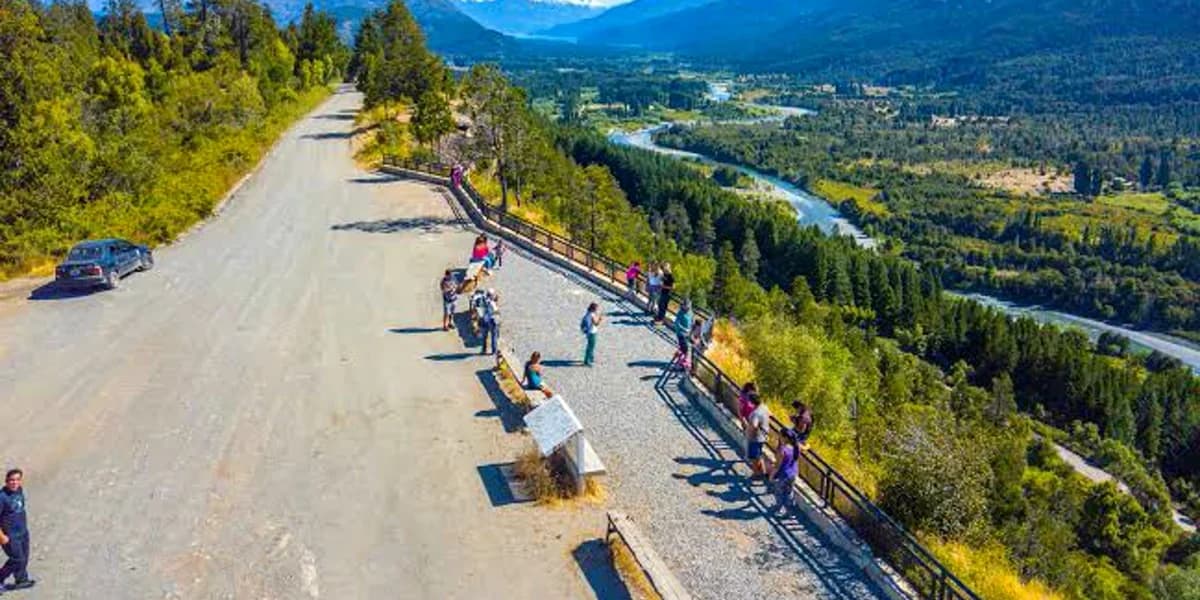
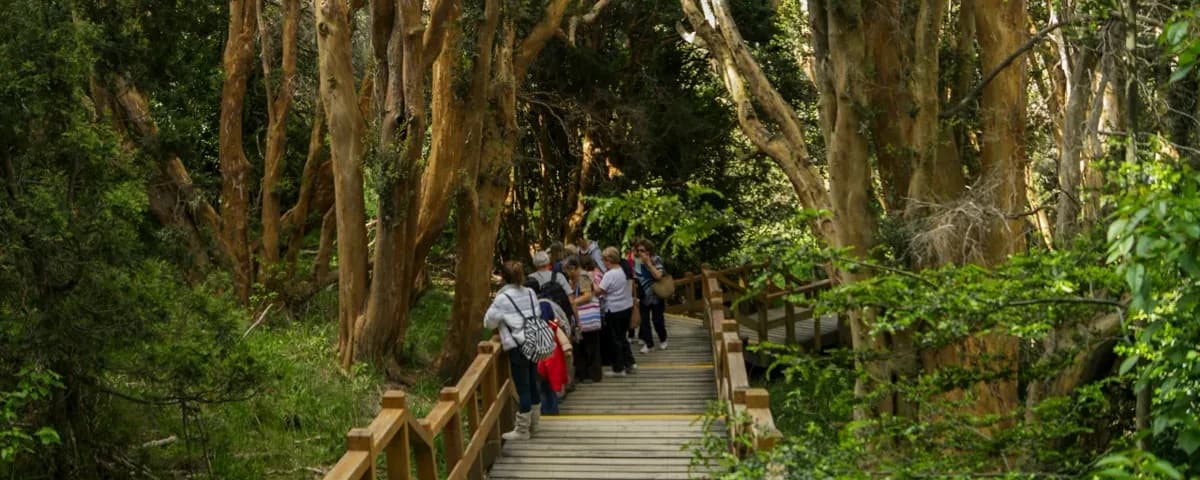
In Bariloche that becomes specific outings: the Circuito Chico to see how the glacial landscape formed, the boat trip to Isla Victoria and the Arrayanes forest for Andean-Patagonian forest ecosystems, or Cerro Tronador, where the glacier explains by itself what a textbook takes two pages to say.
What has to be settled before telling parents
This order prevents problems:
- Confirmed dates, not tentative ones. A date that moves after the first letter home creates distrust that is hard to recover.
- Total cost and what it covers, with what it does not cover spelled out: entry fees, meals outside the programme, personal spending.
- The safety plan: how many adults accompany the group, what insurance is in place, what happens if someone falls ill. We cover it in safety on an educational trip.
- The documents each student needs, especially if a border is involved, where notary timelines run into weeks. It is in travel documents for minors.
- The payment and cancellation policy, because it is every family's first question.
A school's real calendar
School timelines look nothing like a company's:
- From 12 months out: objective, destination and date range. Trips are approved within the annual plan, not outside it.
- Six to eight months out: quote closed, booking confirmed and first letter to families. If there are fundraising activities, they start here.
- Two to three months out: each student's documents, signed authorisations, final list, and health and dietary needs.
- The month before: information meeting with parents, payments closed and itinerary confirmed.
The long lead time is not bureaucracy: it is what lets the family who cannot pay in one go still send their child.
What separates a good trip from one that merely went fine
That the class comes back able to say what they saw and why it mattered. That does not depend on how many places were visited, but on how much the day was thought through before it was bought.
If what you are planning is a longer trip, with several days and teaching content in each, the study trip with teaching content covers how it is structured.
Frequently asked questions
What is the difference between an educational trip and a tourist excursion?
An educational trip starts from a written learning objective and the itinerary is built to meet it, not to see as many places as possible. That changes the pace of the day, the choice of activities and the ending: one main activity per day, an even level for the whole class, and a closing moment to make sense of what was seen.
How far in advance is an educational trip organised?
The objective, destination and date range are usually set around 12 months ahead, because trips are approved within the school's annual plan. The quote and booking are closed six to eight months out, and each student's documents two to three months out.
What should parents be told before confirming?
Confirmed rather than tentative dates, the total cost with what it does and does not cover, the safety plan including the number of accompanying adults and insurance, the documents each student needs, and the payment and cancellation policy. That order prevents most later problems.
How many activities should an educational trip day include?
One main activity per day, plus transport, meals and a closing moment. Three activities in one day produce a tired class that neither learns nor talks, which is the opposite of the point of the trip.