Francisca
Marketing · Vivencias Travel
In winter, Chile combines Andes snow less than an hour from Santiago, skiing for beginners, vineyards, city and coast. July and August are the best months. See where to ski, what it costs and what to pack.
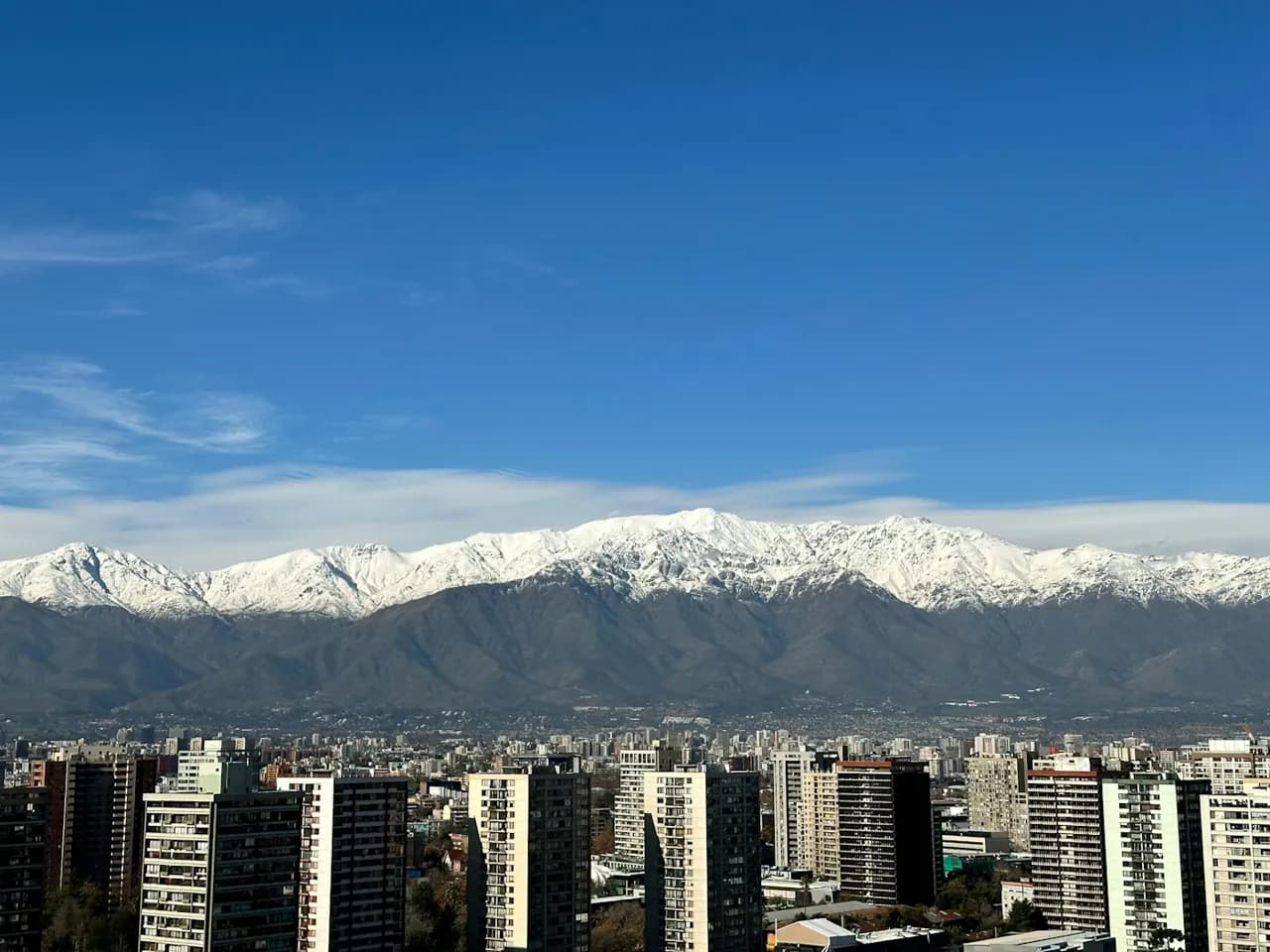
In winter, Chile packs into a short distance everything a traveller looks for: real snow in the Andes less than an hour from Santiago, ski resorts for beginners and experts, award-winning vineyards, a capital full of culture and food, and the coast at Valparaíso. The best months are July and August, when the mountains hold the most snow.
When is the best time to see snow in Chile?
The snow season in Chile runs from mid-June to the end of September, peaking between July and August, exactly when cover is usually at its deepest and when it coincides with school holidays in Brazil. June and September also work well for those after lower prices and fewer people, though snow is less certain. Worth remembering: it very rarely snows in the city of Santiago; the snow is up in the Andes, about an hour from the capital.
Where can you ski near Santiago?
There are five ski resorts in the Santiago area, all reached by the Ruta G-21, a mountain road with dozens of zigzag bends. For a first taste of snow, El Colorado is usually the best choice, since around 70% of its runs are for beginners and intermediates, and it has a ski school and equipment rental. If the idea is just to play in the snow, without necessarily skiing, Farellones is the right spot, with tubing, a zipline and family areas. Anyone after the biggest facilities will feel at home at Valle Nevado, the largest ski resort in the Southern Hemisphere, with runs for every level. Rounding out the list are La Parva, quieter and more residential, and Portillo, the most traditional resort, on the shore of Laguna del Inca and a little further from the capital.
How much does it cost to ski in Chile?
In the 2026 season, a one-day lift pass runs around CLP 40,000 to 70,000, roughly R$ 230 to R$ 410, depending on the resort and the day. Snow clothing rental usually starts at about R$ 400 for a full kit, and ski equipment rental (skis, boots and poles) is charged separately. Booking your gear in advance at the rental centre avoids queues and secures the right size.
What is there to do in Santiago besides the snow?
A good winter itinerary sets aside one or two days for the snow and keeps the rest for the city and its surroundings. The most sought-after experience is a visit to the Concha y Toro winery in Pirque, about 30 km from the capital and Chile's most famous, whose classic tour goes through the Casillero del Diablo cellar and ends with a tasting. It's also worth setting aside a full day for the coast, seeing the colourful hills of Valparaíso, a World Heritage Site, and the seafront at Viña del Mar. Nature lovers will find mountains and hot springs in the Cajón del Maipo, just over an hour from Santiago. And without leaving the capital, a city tour of the historic centre, Cerro San Cristóbal, good food and shopping round out the days nicely.
What to pack and how to dress for the snow?
The golden rule is to dress in layers: a thermal base layer, fleece and a waterproof jacket on top. A hat, gloves, scarf and thermal socks make a big difference in the mountain cold. For anyone seeing snow for the first time, renting snow clothing in Chile usually beats buying it, because it saves a heavy suitcase and guarantees gear suited to extreme cold. Don't forget sunscreen and sunglasses: at altitude the atmosphere filters less radiation and the snow reflects the sun, increasing exposure.
What documents do Brazilians need to enter Chile?
Brazilians enter Chile with just their ID card (no passport or tourist visa), thanks to the Mercosur agreement. The ID must have been issued no more than 10 years ago, be in good condition and carry a photo that allows identification. A driving licence or work card won't do. You also need to complete the SAG sworn declaration (on arrival or up to 48 hours before) and show proof of funds of around US$ 46 per day of stay. Minors travelling without one parent need a notarised travel authorisation.
Is Chile worth visiting in winter?
Yes. Few destinations deliver snow, city, wine and coast within such a short radius. With some planning (the right season, gear and documents in order) the Chilean winter makes for a complete trip, whether you want to ski or simply play in the snow for the first time.
If you are planning the whole trip, the complete guide to travelling in Chile covers documents, the best season, costs and how many days to allow.
Frequently asked questions
When is the best time to see snow in Chile?
From mid-June to the end of September, peaking between July and August, which coincides with Brazilian school holidays. June and September work for lower prices and fewer people, with less guaranteed snow. It very rarely snows in Santiago itself: the snow is in the Andes, about an hour away.
Where can you ski near Santiago?
There are five resorts in the area, all reached by Ruta G-21. For a first encounter with snow, El Colorado, where around 70% of runs are beginner or intermediate. For simply playing in the snow, Farellones, with tubing, zip lines and family areas. For the biggest facilities, Valle Nevado.
How much does skiing in Chile cost?
In the 2026 season a ski day: the one-day lift pass, ran around CLP 40,000 to 70,000, roughly R$ 230 to R$ 410 depending on the resort and the day. Snow clothing rental starts at about R$ 400 for a full kit, and ski equipment is charged separately.
What documents do Brazilians need to enter Chile?
Just an ID card, under the Mercosur agreement, issued no more than 10 years ago, in good condition and with a photo that allows identification: a driving licence does not count. You must also complete the SAG sworn declaration and show proof of funds. Minors travelling without one parent need a notarised authorisation.