Francisca
Marketing · Vivencias Travel
It rains in the world's driest desert precisely in summer, which is when most people travel. That is not a reason to change dates: it is a reason to build the itinerary differently.
It sounds like a contradiction and it is not: in the driest desert on the planet, the rainy months are December, January, February and March. It is called the altiplanic winter, or Bolivian winter, and it is moisture coming off the Amazon, rising over the Andes and unloading on the altiplano.
It coincides exactly with the southern summer holidays. Worth knowing before you build the itinerary, because it changes how you plan, not where you go.
What actually happens
The rain is neither constant nor all day. The typical pattern is a clear morning, clouds building after midday, and a short, heavy storm late in the afternoon. Plenty of January days are full sun.
The problem is not the rain itself: it is what it does to the access roads. The altiplano roads are gravel and cross dry stream beds that fill with water within minutes in heavy rain. When that happens, the authorities close access for safety.
What is most affected
- The El Tatio geysers. The most sensitive trip of all. It sits at 4,300 metres, the road is long and departure is before dawn. With rain the night before or a bad forecast, it is cancelled. How to prepare is in the El Tatio geysers: how to get ready.
- High-altitude lagoons, Piedras Rojas and the salt flats route. Same logic: altitude and dirt roads. The route is in the salt flats route.
- Stargazing. It does not depend on roads but on the sky: with cloud cover there is nothing to see.
What is barely affected
- The Valle de la Luna, close to San Pedro and at low altitude (how to visit it).
- Laguna Cejar and the ojos del Salar, also nearby (where you really float).
- The Puritama hot springs, except in very heavy rain that day (what to know first).
- San Pedro itself, the short excursions and the archaeological circuit.
How to build the itinerary in these months
- Do not leave El Tatio for the last day. If it is cancelled you need a spare day to rebook. Putting it early is the difference between rescheduling and losing it.
- Leave one free day in the itinerary. With four nights in San Pedro you have slack; with two, any cancellation is a straight loss.
- Confirm the night before, always. The call is made on the day's forecast, not the previous week's.
- Pack a rain jacket even though you are going to a desert. It sounds absurd and it is the item most often missing in January.
- Ask about the cancellation policy before booking: when the closure is ordered by the authorities the trip is usually rescheduled or refunded, but that has to be clear beforehand.
The upside, which almost nobody mentions
Travelling in these months means seeing an Atacama that does not exist the rest of the year:
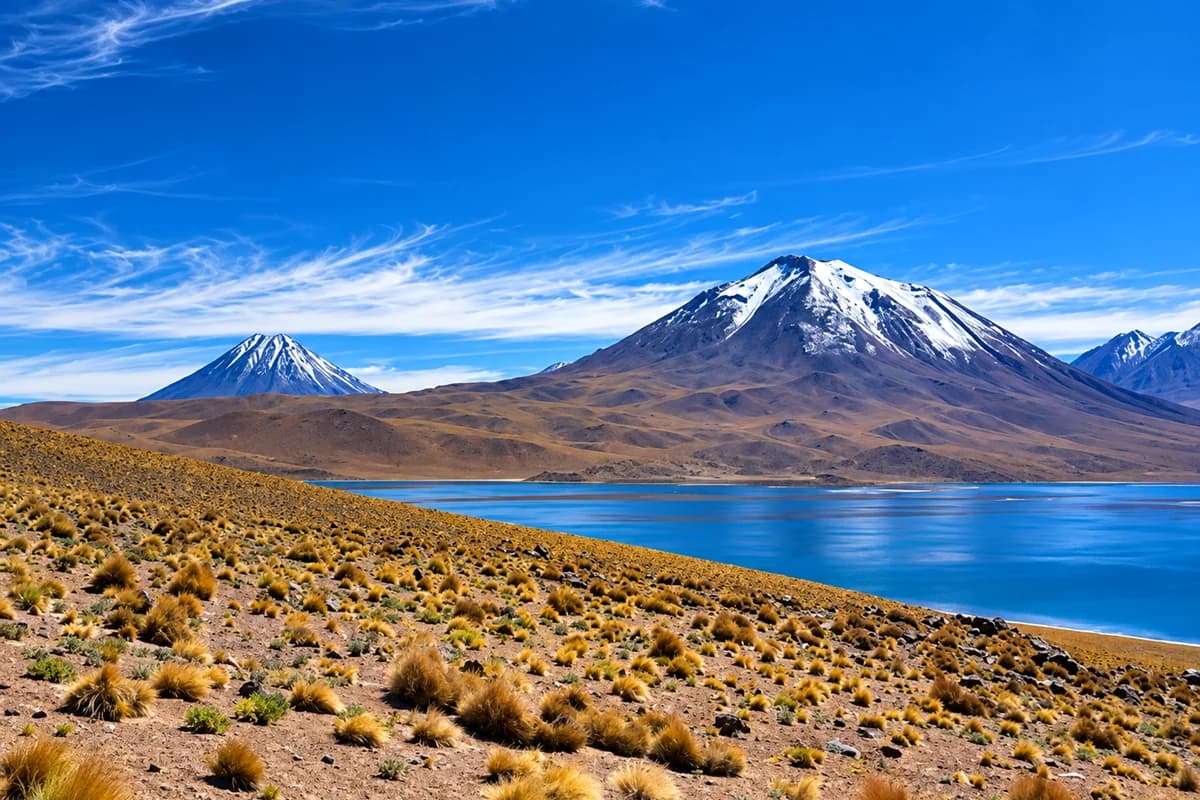
- The lagoons hold more water and the flamingos gather in them.
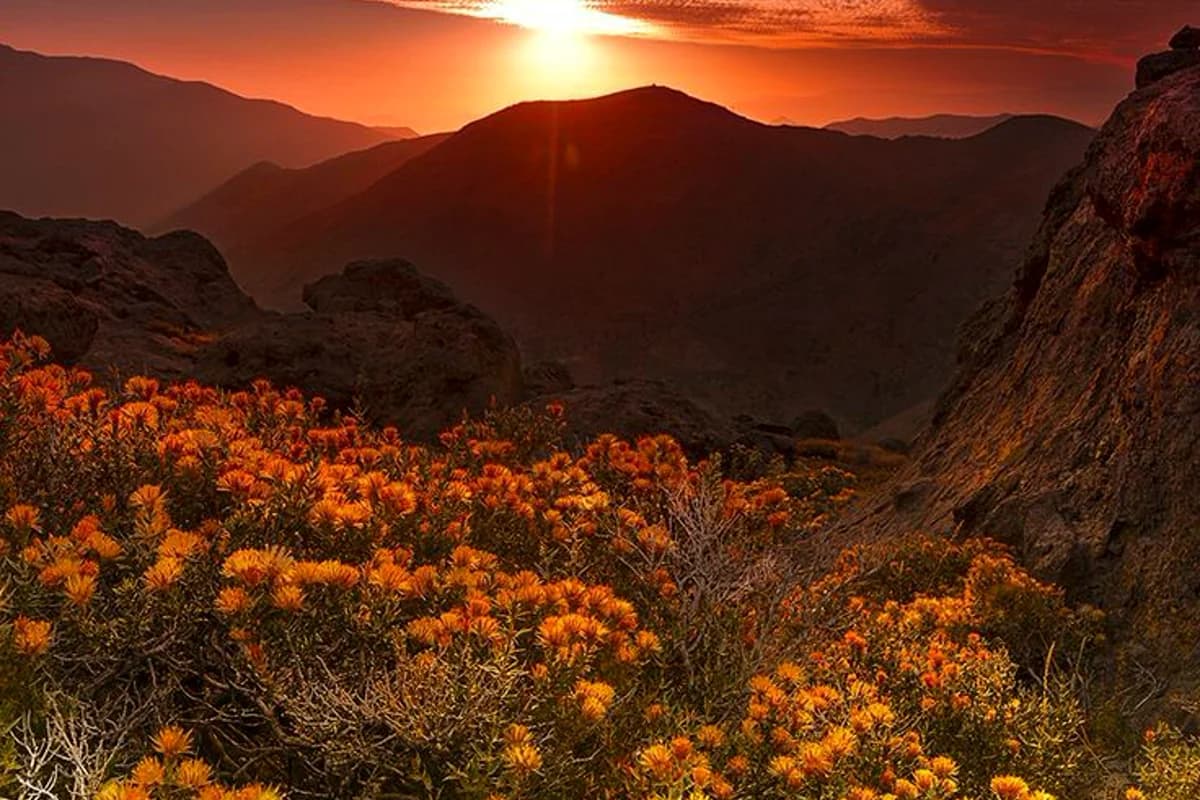
- The desert flowers in some sectors after the rains.
- The sky turns dramatic, with clouds over the salt flat that produce the best photographs of the year.
- Pre-dawn temperatures are milder, which changes the early start to El Tatio considerably.
So it is not a bad season, it is a different one. The mistake is not travelling in January; it is travelling in January with an itinerary built as if it were August.
And the rest of the year
From April to November it barely rains on the altiplano and access closures are rare, but the pre-dawn hours are far colder. The month-by-month comparison is in when to go to the Atacama and what to do, and if you are travelling with children, the Atacama with children covers what altitude changes for them.
Frequently asked questions
Does it rain in the Atacama Desert?
Yes, and precisely in summer. Between December and March comes the so-called altiplanic winter: moisture from the Amazon rises over the Andes and unloads on the altiplano, usually as short storms late in the afternoon. Many days in those months are still full sun.
Are Atacama excursions cancelled in January?
Some can be, and it is always the same ones: those at altitude that depend on gravel roads, such as the El Tatio geysers, the high-altitude lagoons and the salt flats route. Excursions close to San Pedro, like the Valle de la Luna and Laguna Cejar, are rarely affected.
Is it worth visiting the Atacama in January or February?
It is, as long as the itinerary is built for the season: El Tatio early in the trip rather than on the last day, a spare day of slack, confirmation the night before, and a rain jacket in the bag. In exchange, the lagoons hold more water, the flamingos gather, and the sky produces the best photographs of the year.
What happens if an excursion is cancelled because a road closes?
When the closure is ordered by the authorities, the excursion is usually rescheduled or refunded, but it depends on each operator's policy. That is the question to ask before booking rather than after, and it is the reason to leave a spare day in the itinerary.